
 Business License

Human Cremation Machine: Complete Buying Guide for Modern Crematorium OperatorsPublished on July 08,
Article Content
The global shift toward cremation services pushes funeral operators to invest in reliable, compliant cremation machine equipment. Every B2B buyer running municipal crematoriums, private funeral homes or hospital mortuaries faces shared pain points: outdated furnaces with high fuel costs, non-compliant exhaust emissions, inconsistent combustion cycles, and frequent unplanned downtime. A high-performance human cremation machine solves these core operational headaches, while meeting local environmental regulations worldwide. This guide covers industry trends, step-by-step equipment selection, real client ROI results, and answers top buyer questions, including how to cremat with our cremation machine for stable, efficient daily operations.
H2: Global Cremation Industry Growth & Core Facility Challenges (Data Source Verified Market Reports, May 2026)
Per the Global Cremation Equipment Market Size, Growth Analysis & Forecast 2026-2034 published by Verified Market Reports, the global cremation equipment market reached USD 0.73 billion in 2025, with a projected CAGR of 5.9% through 2034, hitting USD 1.23 billion by 2034. Separate data from CANA’s 2026 Annual Statistics Report notes the U.S. cremation rate hit 62.8% in 2025, with steady growth across Europe, Southeast Asia and the Middle East driving rising demand for new human cremation machine units.
Funeral facility operators universally report four costly challenges tied to low-quality cremation equipment:
High recurring fuel expenses: Single-chamber legacy furnaces waste 30% more gas per full cremation cycle (SAC INSiGHT, 2025)
Emission regulation violations: Basic furnaces fail EU, EPA and local municipal particulate standards, risking fines or temporary shutdowns
Unplanned maintenance downtime: Non-automated models require daily manual inspection, cutting daily cremation throughput by 25%
Inconsistent cremation results: Uneven high-temperature combustion leaves incomplete bone fragments, creating poor family experience
Traditional low-cost cremation machine options address only basic burning functions, ignoring compliance and long-term operational profitability—creating hidden costs that erase initial budget savings within 18 months of installation.
H2: How Premium Human Cremation Machine Solves Critical Facility Pain Points
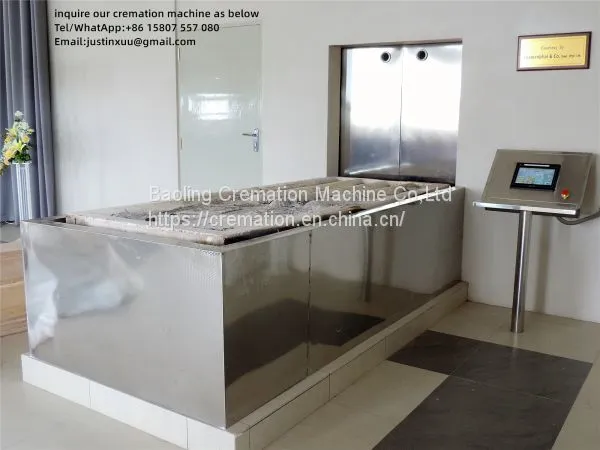
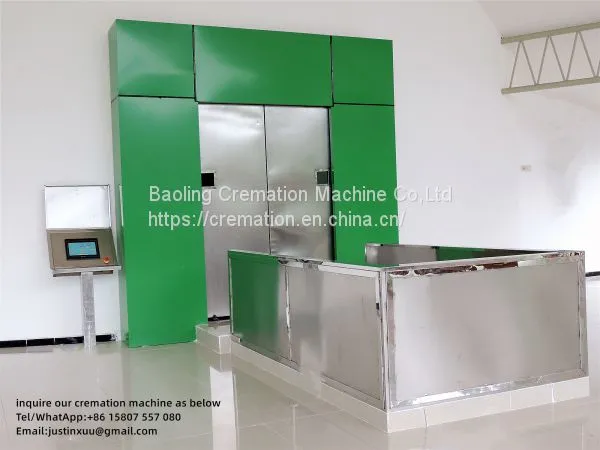
Our industrial human cremation machine integrates dual secondary combustion chambers, IoT remote monitoring, heat recovery insulation and full exhaust purification systems to eliminate the four core industry challenges above. Key functional advantages for B2B buyers:
Dual-chamber emission control: Reduces particulate matter output by 90% compared to single-chamber furnaces, fully compliant with EU EN 746 and U.S. EPA cremation standards (SAC INSiGHT, 2025)
Fuel-saving insulated chamber: High-density refractory lining stabilizes internal temperatures at 800–1000°C, cutting gas consumption per cremation cycle by 28%
24/7 remote diagnostic monitoring: Real-time temperature, flame and gasket tracking cuts unplanned downtime by 25%, per internal client operation data
Fully automated operation: One-touch pre-set cremation profiles eliminate manual operator adjustments, shortening full processing cycles to 70–90 minutes per unit
Unlike generic cremation machine suppliers that sell basic furnace hardware only, our equipment includes standardized exhaust scrubber kits, multi-language touch control panels and global after-sales service support for cross-border B2B clients.
H2: Step-by-Step Guide: How to cremat with our cremation machine (Long-Tail Target Keyword)
This standardized workflow works for all our standard and custom human cremation machine models, designed for consistent, safe, fully compliant cremation processing:
Pre-operation system checkLaunch the touchscreen control panel; the unit automatically runs a 3-minute self-test for igniter function, chamber seal integrity and exhaust filter status. The system flags gasket degradation or fuel pressure faults before heating begins.
Chamber preheating cycleActivate the dedicated human cremation preheat profile; the furnace raises primary chamber temperature to 750°C in 12 minutes, eliminating cold-start incomplete combustion.
Sealed remains loadingUse the automated hydraulic loading trolley to place the casket into the main chamber; the door locks with dual safety interlocks to prevent heat or odor leakage during operation.
Automated cremation runtimeThe machine runs a self-regulating temperature cycle: primary chamber holds 900°C for organic breakdown, while the secondary combustion chamber maintains 1100°C to neutralize all harmful volatile emissions. No manual fuel adjustment required.
Cool-down & ash collectionOnce the cycle completes, the unit triggers a 40-minute passive cool-down phase. Operators safely extract fully calcined bone ash via the sealed bottom ash drawer, with zero dust leakage.
Post-cycle maintenance quick scanThe system generates a digital operation log recording fuel usage, runtime and filter status for local environmental compliance reporting. Monthly visual gasket inspection is the only mandatory routine maintenance.
H2: B2B Client Success Case: Municipal Crematorium ROI with New Cremation Machine
Client Profile: Mid-sized municipal crematorium in Western Europe, previously operating two 12-year-old single-chamber furnaces, processing 120 monthly cremations.Solution Deployed: 2 units of our standard human cremation machine with integrated heat recovery and remote monitoring, delivered Q1 2025.Quantifiable Measurable Results (tracked 12 months post-install):
Monthly natural gas expenditure reduced by 27%, saving $14,800 annually in fuel costs
Zero environmental inspection violations; facility passed EU emission audits with zero corrective actions
Weekly maintenance labor hours cut from 11 to 3 hours, reallocating staff to family service support
Daily cremation throughput increased from 6 to 9 cycles, eliminating weekend backlog overtime fees
Crematorium Director official feedback: “We hesitated to replace our old cremation machine due to upfront capital costs, but the fuel and labor payback was achieved within 14 months. The automated operation drastically reduced operator training pressure, and families consistently comment on the clean, odor-free facility environment.”
H2: Frequently Asked Questions for B2B Cremation Machine Buyers
FAQ 1: What is the minimum order quantity (MOQ) for your human cremation machine?
Our standard MOQ is 1 unit. We support single-unit orders for independent funeral homes, municipal trial installations and hospital mortuary clients. Bulk orders of 3+ units qualify for factory direct volume discounts and priority production scheduling. All units can be customized to match facility space, fuel type (natural gas, diesel, dual-fuel) and regional emission standards.
FAQ 2: What is the standard production and global delivery lead time?
Standard human cremation machine models require 35–45 working days of factory production. Sea freight delivery to major ports across Europe, North America, Southeast Asia and MEA takes 28–42 days, depending on destination country. We provide full container loading documentation, CE certification and emission test reports for smooth customs clearance.
FAQ 3: Can your cremation machine be modified for small-space or mobile crematorium projects?
Yes. We offer containerized mobile human cremation machine variants optimized for temporary facilities, rural municipal service points and disaster response sites. Customization options include compact chamber sizing, low-noise exhaust systems and simplified control panels for low-staff operations. All custom units retain identical dual-chamber emission compliance as standard furnaces.
H2: Next Steps for Sourcing Your Human Cremation Machine
As global cremation demand continues rising, outdated cremation machine equipment creates avoidable operational losses and compliance risks for funeral service businesses. Our factory specializes in fully certified, energy-efficient human cremation machine units tailored to small independent funeral homes, large municipal crematoriums and medical mortuary facilities worldwide.
Recently Posted
-
Factory Acceptance Testing for Cremation Equipment: Inspection Protocols Before International Shipme
September 4, 2026Not long ago, a funeral company imported a cremation machine after a brief video call with the manufacturer. The quotati Read More
 -
Cremation Solutions for Rural and Remote Funeral Homes: Low-Infrastructure Equipment Options
September 4, 2026Not long ago, a funeral home in a rural district several hours from the nearest large city faced a dilemma. The community had deci Read More
 -
International Emission Standards for Cremation: EU Directive 2010/75/EU, US EPA, and China GB 13801
September 3, 2026Some time ago, a buyer in Latin America ordered a cremation furnace that met the emission limits of his own country'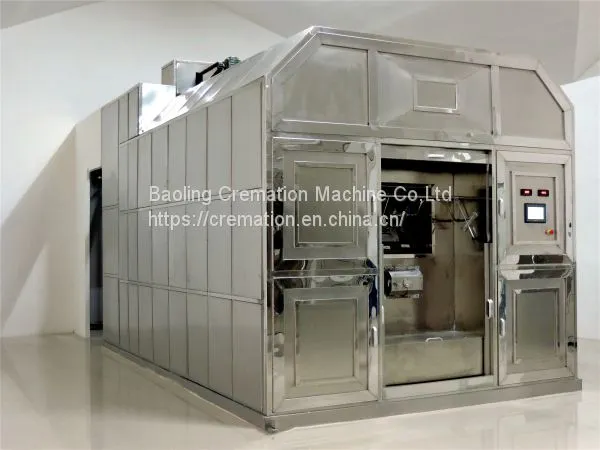 Read More
 -
Stainless Steel in Cremation Equipment Construction: Grade Selection for Durability and Corrosion Re
September 3, 2026A while back, an operator in a coastal city reported recurring pitting on the outer shell of a cremator that was just four years o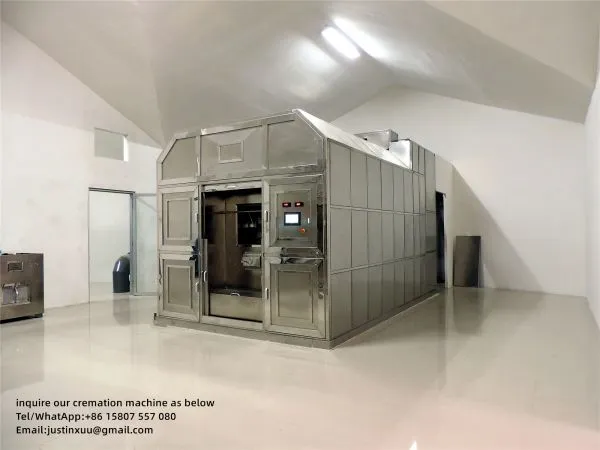 Read More

Contact Us
Recommended Products
-
 Human Cremation Machine Electric Crematorium Machine With 100kg/H Capacity and 18kw Power Crematory EquipmentNegotiableMOQ: 1 Piece
 -
220V/380V Full Automatic Human Crematorium Cremation Machine New Crematory Furnace 18kW Power PLCNegotiableMOQ: 1 Piece
-
New Full Automatic Human Crematory Incinerator Oven No Smoke Cremation Machine Crematory Equipment Crematorium MachineNegotiableMOQ: 1 Set
-
Electric Human Crematorium Machine Full Automatic Cremation Incinerator Indonesia Extra Large Coffin Cremation Electric Human Crematory MachineNegotiableMOQ: 1 Piece
-
Extra Large Coffin Cremation Machine New Technology Human Crematorium Furnace Full Automatic 100kg/h 5-Year WarrantyNegotiableMOQ: 1 Set
-
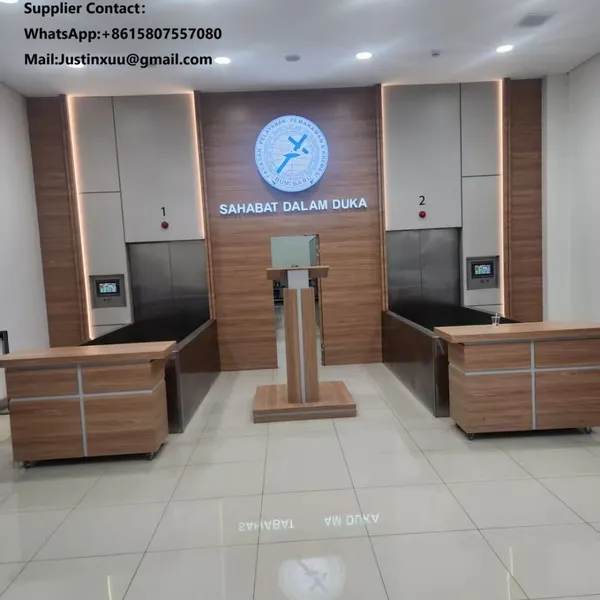
Human Cremation Machine for Sale Full Automatic Model USA TypeNegotiableMOQ: 1 Set
-
220V/380V Full Automatic Human Crematorium Cremation Machine Crematory Furnace 18kW Power PLC ControlNegotiableMOQ: 1 Set
-
Automatic Human Cremation Machine No Smell No Smoke Latest Human Cremation Technology 50/60HZ Diesel LPG CremationNegotiableMOQ: 1 Set
-
Automatic Human Crematorium Incinerator Crematory Furnace Human Cremation Machine for Wood Coffin CremationUS$ 66000MOQ: 1 Set
-
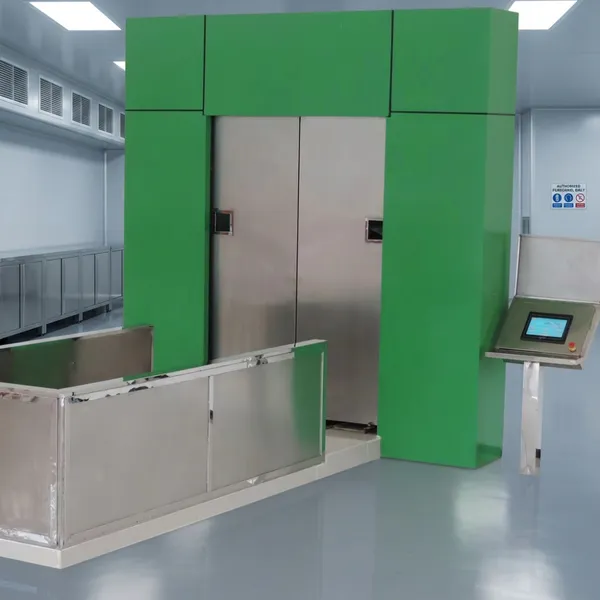
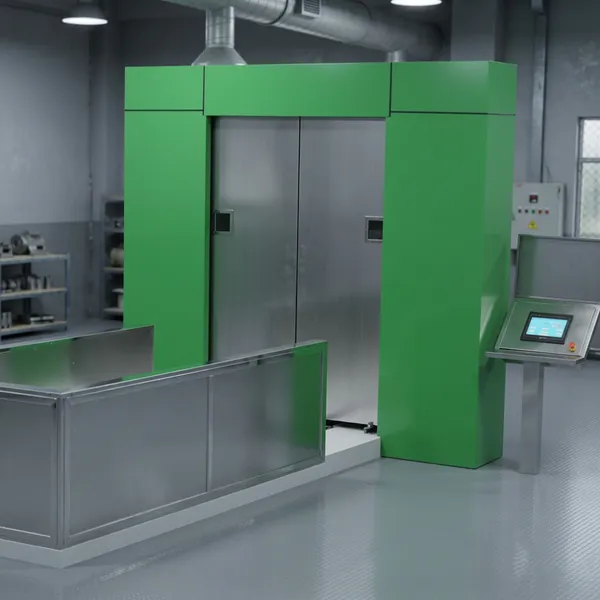
Electric Human Crematory Machine Cremation Machine No Smoke Crematorium Incinerator Cremation EquipmentUS$ 55000MOQ: 1 Combo
-
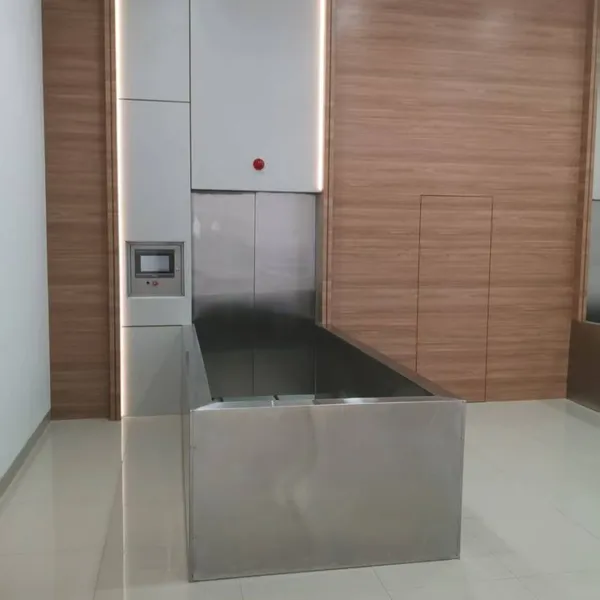
220V/380V Full Automatic Human Crematorium Cremation Machine New Crematory Furnace 18kW Power PLC Core Refractory Material 1NegotiableMOQ: 1 Set
-
Cremation Machine Burn Human Body Electrical Crematorium Machine Cremator Crematoria Europe StandardUS$ 5MOQ: 1 Set
-
Cremation System Cremation Oven Fired by Natural Gas no Smoke Human Crematorium Incinerator Crematory EquipmentNegotiableMOQ: 1 Piece
-
Cremation Equipment for Sale Eu Standard Environmental Friendly no Smoke Quick Burning Fast Short Time Cremation Machine No SmellUS$ 1 - 10MOQ: 1 Set
-
Crematorium Oven Machine Container Burn Human Body Mobile Furnace for Sale Crematory Incinerator Cremation Machine Crematory EquipmentUS$ 1 - 10MOQ: 1 Set
-
Container Crematory System Burn Human Death Body Crematoria Emergency Human Cremation Machine Crematorium IncineratorUS$ 1 - 10MOQ: 1 Set
-
Cremation Machine for Australia Market no Smell Human Crematory Machine Automatic Loading Conveyor Cremation EquipmentNegotiableMOQ: 1 Set
-
Global Top Supplier of Crematory Equipment Human Cremators Crematory Equipment Cremation Unit no Smell no SmokeNegotiableMOQ: 1 Kilogram
-
Cremation Machine Human Crematory Burner Equipment Furnace on Wheels Cremation Machine no Smoke USA StandardUS$ 1 - 10MOQ: 1 Piece
-
Automatic Cremation Machine Crematory Equipment for Human Crematorium Equipment Europe Standard EmissionUS$ 1 - 10MOQ: 1 Piece