
 Business License

Recent Development Trends of Cremation Furnaces
Recent Development Trends of Cremation Furnaces
Abstract
Driven by stricter global environmental regulations, carbon neutrality targets, digital manufacturing and upgraded funeral service demands, cremation furnace technology is undergoing a comprehensive transformation from traditional gas-fired equipment to low-carbon intelligent integrated systems. This paper systematically sorts out six core development directions of cremation furnaces worldwide in recent years, covering clean energy substitution, high-efficiency combustion & waste heat recovery, ultra-low pollutant emission control, full-process intelligent digitalization, new high-temperature resistant materials, and modular & multi-scene customized design.
1. Low-Carbon Clean Energy Replacement: Phase-out of Fossil Natural Gas
The top priority global trend is decarbonization by abandoning conventional natural gas combustion, with three mainstream technical routes rapidly industrialized:
1.1 All-electric cremation furnaces
Heated by electric resistance or electromagnetic induction without fossil fuel combustion. When matched with wind/solar renewable power, the whole cremation process achieves near-zero carbon emissions. European countries take the lead: the Netherlands plans 50% of local crematoria to deploy electric furnaces by 2030; UK local governments have approved multi-million-pound projects to replace aging gas furnaces with electric models, cutting annual operation costs and carbon taxes significantly. Compared with gas equipment, electric furnaces deliver stable temperature control, no fuel storage risks, and lower flue gas treatment loads.
1.2 Green hydrogen hybrid cremation systems
Pilot projects run in Spain, UK and the Netherlands. Pure green hydrogen burns to produce only water vapor, eliminating CO₂ and sulfur oxides at the combustion source. Current limitations include high hydrogen storage, transportation and safety investment, so hybrid hydrogen-gas dual-fuel furnaces serve as transitional solutions for large crematoriums.
1.3 Multi-clean fuel complementary equipment
Support biogas, biomass gas and renewable dimethyl ether as auxiliary fuels for existing gas furnaces, realizing gradual low-carbon upgrading without full equipment replacement, widely adopted in Asian and African markets with abundant biomass resources.
2. High-Efficiency Combustion + Full Waste Heat Recycling
Traditional furnaces suffer low thermal efficiency (average 52% for direct exhaust models). New generation equipment adopts regenerative double-stage swirling combustion technology to boost energy utilization:
Honeycomb ceramic regenerators preheat combustion air above 750℃, cutting natural gas consumption by over 30% and lifting thermal efficiency to 78%–92%.
Organic Rankine Cycle (ORC) waste heat power generation modules are integrated into large furnaces: recovered high-temperature flue gas heat generates electricity for crematorium lighting, air conditioning and furnace auxiliary systems, with comprehensive energy efficiency reaching over 81%.
Residual heat after power generation supplies heating for corpse storage rooms, ash processing workshops and office areas, forming closed-loop energy self-sufficiency for crematoriums.
Recently Posted
-
Factory Acceptance Testing for Cremation Equipment: Inspection Protocols Before International Shipme
September 4, 2026Not long ago, a funeral company imported a cremation machine after a brief video call with the manufacturer. The quotati Read More
 -
Cremation Solutions for Rural and Remote Funeral Homes: Low-Infrastructure Equipment Options
September 4, 2026Not long ago, a funeral home in a rural district several hours from the nearest large city faced a dilemma. The community had deci Read More
 -
International Emission Standards for Cremation: EU Directive 2010/75/EU, US EPA, and China GB 13801
September 3, 2026Some time ago, a buyer in Latin America ordered a cremation furnace that met the emission limits of his own country'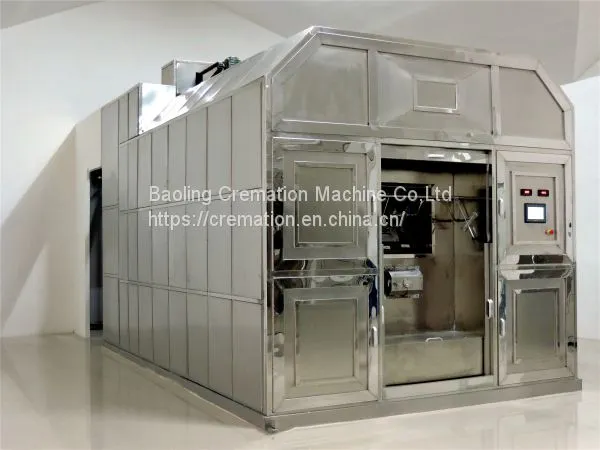 Read More
 -
Stainless Steel in Cremation Equipment Construction: Grade Selection for Durability and Corrosion Re
September 3, 2026A while back, an operator in a coastal city reported recurring pitting on the outer shell of a cremator that was just four years o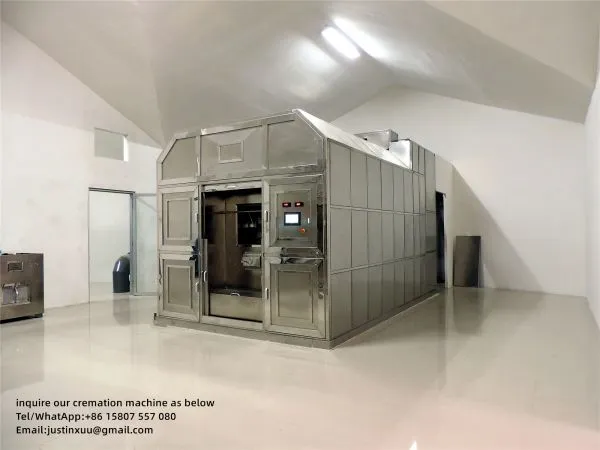 Read More

Contact Us
Recommended Products
-
 Human Cremation Machine Electric Crematorium Machine With 100kg/H Capacity and 18kw Power Crematory EquipmentNegotiableMOQ: 1 Piece
 -
220V/380V Full Automatic Human Crematorium Cremation Machine New Crematory Furnace 18kW Power PLCNegotiableMOQ: 1 Piece
-
New Full Automatic Human Crematory Incinerator Oven No Smoke Cremation Machine Crematory Equipment Crematorium MachineNegotiableMOQ: 1 Set
-
Electric Human Crematorium Machine Full Automatic Cremation Incinerator Indonesia Extra Large Coffin Cremation Electric Human Crematory MachineNegotiableMOQ: 1 Piece
-
Extra Large Coffin Cremation Machine New Technology Human Crematorium Furnace Full Automatic 100kg/h 5-Year WarrantyNegotiableMOQ: 1 Set
-
Human Cremation Machine for Sale Full Automatic Model USA TypeNegotiableMOQ: 1 Set
-
220V/380V Full Automatic Human Crematorium Cremation Machine Crematory Furnace 18kW Power PLC ControlNegotiableMOQ: 1 Set
-
Automatic Human Cremation Machine No Smell No Smoke Latest Human Cremation Technology 50/60HZ Diesel LPG CremationNegotiableMOQ: 1 Set
-
Automatic Human Crematorium Incinerator Crematory Furnace Human Cremation Machine for Wood Coffin CremationUS$ 66000MOQ: 1 Set
-
Electric Human Crematory Machine Cremation Machine No Smoke Crematorium Incinerator Cremation EquipmentUS$ 55000MOQ: 1 Combo
-
220V/380V Full Automatic Human Crematorium Cremation Machine New Crematory Furnace 18kW Power PLC Core Refractory Material 1NegotiableMOQ: 1 Set
-
Cremation Machine Burn Human Body Electrical Crematorium Machine Cremator Crematoria Europe StandardUS$ 5MOQ: 1 Set
-
Cremation System Cremation Oven Fired by Natural Gas no Smoke Human Crematorium Incinerator Crematory EquipmentNegotiableMOQ: 1 Piece
-
Cremation Equipment for Sale Eu Standard Environmental Friendly no Smoke Quick Burning Fast Short Time Cremation Machine No SmellUS$ 1 - 10MOQ: 1 Set
-
Crematorium Oven Machine Container Burn Human Body Mobile Furnace for Sale Crematory Incinerator Cremation Machine Crematory EquipmentUS$ 1 - 10MOQ: 1 Set
-
Container Crematory System Burn Human Death Body Crematoria Emergency Human Cremation Machine Crematorium IncineratorUS$ 1 - 10MOQ: 1 Set
-
Cremation Machine for Australia Market no Smell Human Crematory Machine Automatic Loading Conveyor Cremation EquipmentNegotiableMOQ: 1 Set
-
Global Top Supplier of Crematory Equipment Human Cremators Crematory Equipment Cremation Unit no Smell no SmokeNegotiableMOQ: 1 Kilogram
-
Cremation Machine Human Crematory Burner Equipment Furnace on Wheels Cremation Machine no Smoke USA StandardUS$ 1 - 10MOQ: 1 Piece
-
Automatic Cremation Machine Crematory Equipment for Human Crematorium Equipment Europe Standard EmissionUS$ 1 - 10MOQ: 1 Piece