
 Business License

History of Cremators & Cremation Furnaces
History of Cremators & Cremation Furnaces
1. Early primitive cremation (Ancient Times – 19th Century)
Cremation as a burial custom dates back thousands of years in ancient civilizations including ancient Greece, Rome, India and China. In ancient times, people only used simple open-air fire piles to burn human bodies. There was no fixed closed furnace equipment. The combustion was incomplete, producing heavy smoke and strong odor, and the whole process was easily affected by wind and weather.
For a long time, traditional burial customs dominated Europe, and cremation was rarely practiced. It was not until the mid-19th century that public health problems caused by crowded cemetery burials made medical experts and environmentalists advocate the revival of cremation. At that time, people began to explore closed high-temperature furnace equipment to achieve clean and thorough incineration.
2. The birth of the first modern cremation furnace (Mid-to-Late 1800s)
The world’s first scientific, enclosed cremator was invented by Italian professor Luigi Brunetti in 1873. He designed a closed brick combustion chamber with independent air supply to improve combustion efficiency and reduce smoke pollution.
In 1874, the first official public crematorium with standardized cremation furnaces was built in Milan, Italy. The technology quickly spread to Britain, Germany, France and other European countries. Early furnaces were heated by coal and coke, with simple structures, only one single combustion chamber, no secondary flue gas treatment devices, so smoke and odor problems still existed.
3. Technical upgrading of cremators (1900s – 1980s)
From the early 20th century to the 1980s, cremation equipment ushered in two major technological revolutions.First, fuel replacement: coal-fired furnaces were gradually replaced by diesel and gas-fired burners. Gas and diesel combustion burned more fully, produced fewer impurities, and the furnace temperature rose faster and more stably.
Second, the emergence of dual-chamber structure: equipment manufacturers added an independent secondary combustion chamber (afterburner) behind the primary chamber. High temperature above 850°C in the secondary chamber decomposed unburned tar, smoke and peculiar smell, greatly solving environmental pollution problems. This dual-chamber design has become the core standard of mainstream cremators.
In this period, cremation and cremation furnaces were gradually introduced to Asia, including Japan, South Korea and China. Funeral crematoriums with standardized furnaces were successively built in major cities.
4. Modern intelligent environmental cremators (1990s – Present)
Since the 1990s, with the rapid development of industrial automation and global increasingly strict environmental protection laws, cremation furnaces have entered the era of full intelligence and ultra-low emission.
Intelligent control: PLC automatic control systems are widely installed. The furnace automatically adjusts temperature, air intake and burner power according to different cremation stages, reducing manual operation and saving energy consumption.
Complete flue gas purification system: New cremators are equipped with integrated cooling, dust removal, desulfurization and denitrification devices. Harmful substances in exhaust gas are filtered and decomposed to meet strict international environmental emission standards.
Diversified types: Manufacturers have developed differentiated furnaces, including large human cremators for funeral parlors, small pet cremators, medical waste incinerators and dual-fuel switchable furnaces to meet different market demands.
Today, dual-chamber, fully automatic, environmentally friendly cremators have become standard equipment for funeral industries worldwide. The whole industry is constantly optimizing furnace lining materials, energy-saving combustion technology and waste gas treatment technology to achieve lower energy consumption and zero visible smoke emission.
Recently Posted
-
Factory Acceptance Testing for Cremation Equipment: Inspection Protocols Before International Shipme
September 4, 2026Not long ago, a funeral company imported a cremation machine after a brief video call with the manufacturer. The quotati Read More
 -
Cremation Solutions for Rural and Remote Funeral Homes: Low-Infrastructure Equipment Options
September 4, 2026Not long ago, a funeral home in a rural district several hours from the nearest large city faced a dilemma. The community had deci Read More
 -
International Emission Standards for Cremation: EU Directive 2010/75/EU, US EPA, and China GB 13801
September 3, 2026Some time ago, a buyer in Latin America ordered a cremation furnace that met the emission limits of his own country'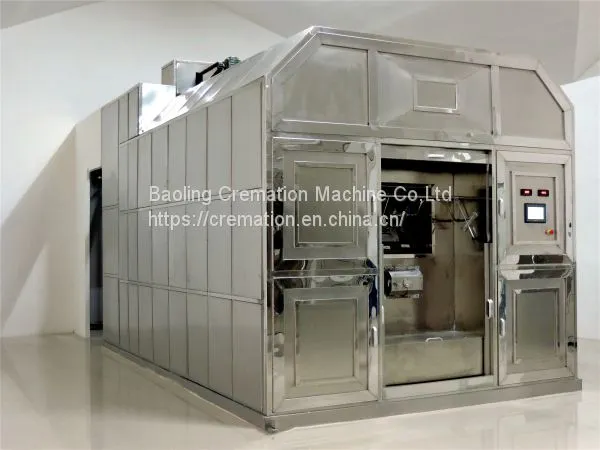 Read More
 -
Stainless Steel in Cremation Equipment Construction: Grade Selection for Durability and Corrosion Re
September 3, 2026A while back, an operator in a coastal city reported recurring pitting on the outer shell of a cremator that was just four years o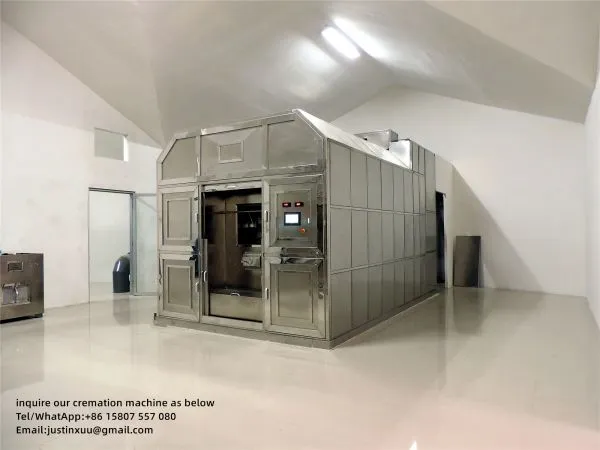 Read More

Contact Us
Recommended Products
-
 Human Cremation Machine Electric Crematorium Machine With 100kg/H Capacity and 18kw Power Crematory EquipmentNegotiableMOQ: 1 Piece
 -
220V/380V Full Automatic Human Crematorium Cremation Machine New Crematory Furnace 18kW Power PLCNegotiableMOQ: 1 Piece
-
New Full Automatic Human Crematory Incinerator Oven No Smoke Cremation Machine Crematory Equipment Crematorium MachineNegotiableMOQ: 1 Set
-
Electric Human Crematorium Machine Full Automatic Cremation Incinerator Indonesia Extra Large Coffin Cremation Electric Human Crematory MachineNegotiableMOQ: 1 Piece
-
Extra Large Coffin Cremation Machine New Technology Human Crematorium Furnace Full Automatic 100kg/h 5-Year WarrantyNegotiableMOQ: 1 Set
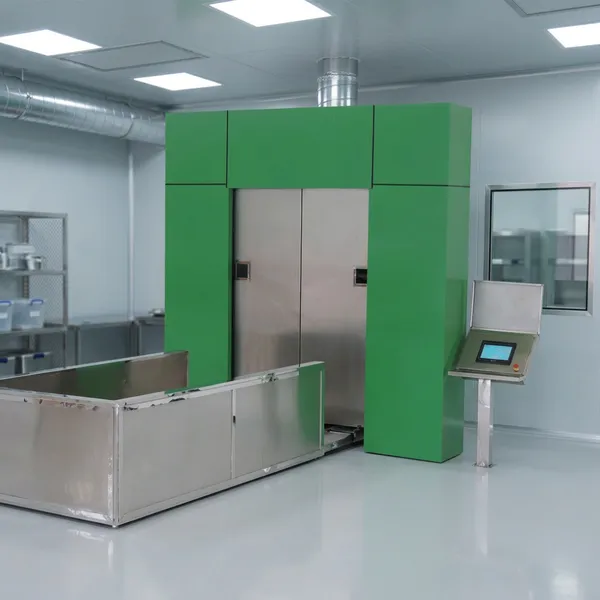
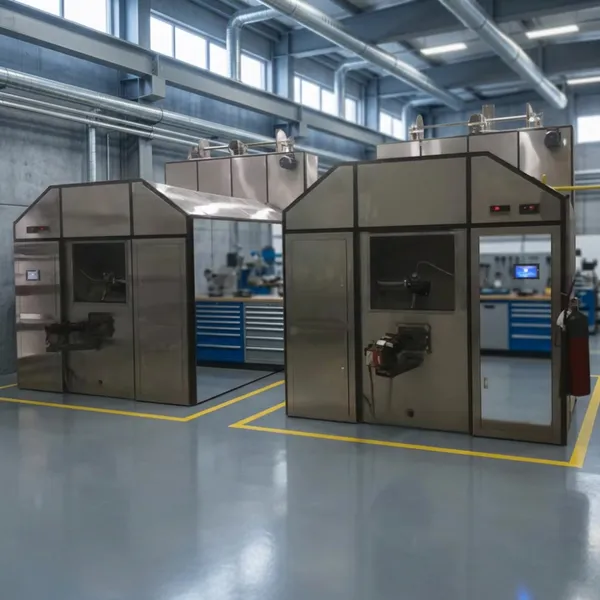
-
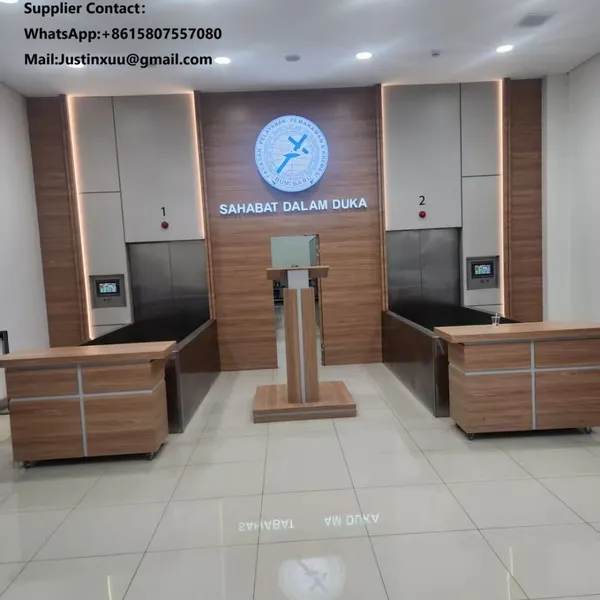
Human Cremation Machine for Sale Full Automatic Model USA TypeNegotiableMOQ: 1 Set
-
220V/380V Full Automatic Human Crematorium Cremation Machine Crematory Furnace 18kW Power PLC ControlNegotiableMOQ: 1 Set
-
Automatic Human Cremation Machine No Smell No Smoke Latest Human Cremation Technology 50/60HZ Diesel LPG CremationNegotiableMOQ: 1 Set
-
Automatic Human Crematorium Incinerator Crematory Furnace Human Cremation Machine for Wood Coffin CremationUS$ 66000MOQ: 1 Set
-
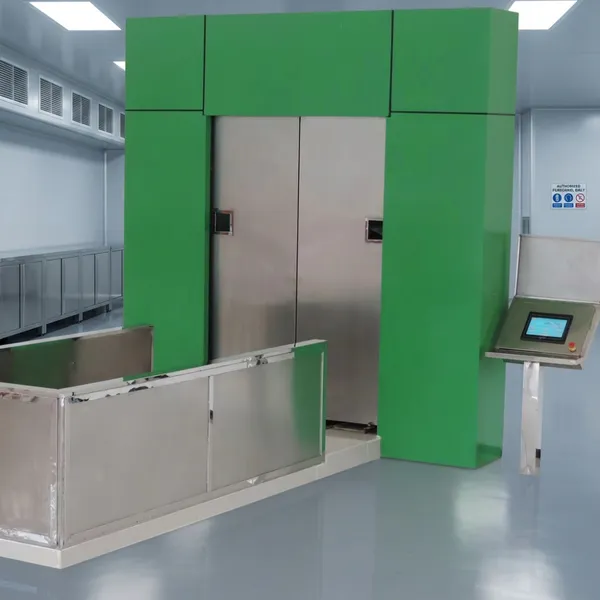
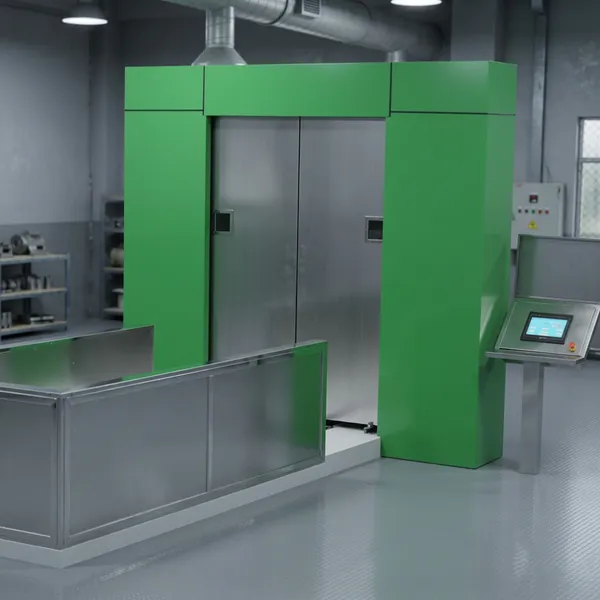
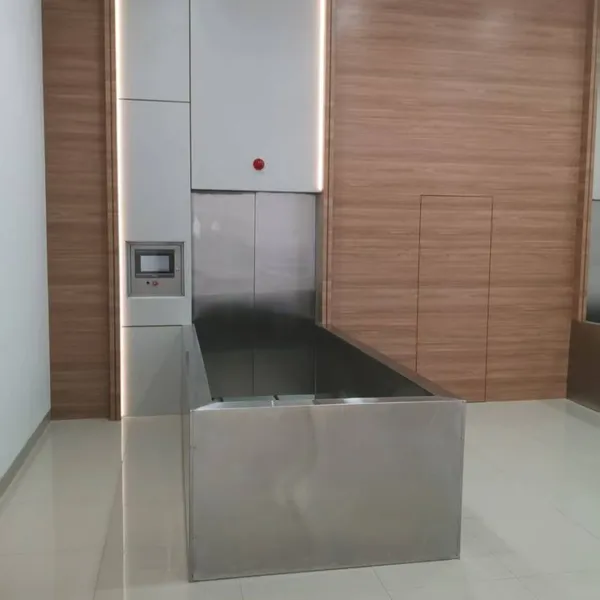
Electric Human Crematory Machine Cremation Machine No Smoke Crematorium Incinerator Cremation EquipmentUS$ 55000MOQ: 1 Combo
-
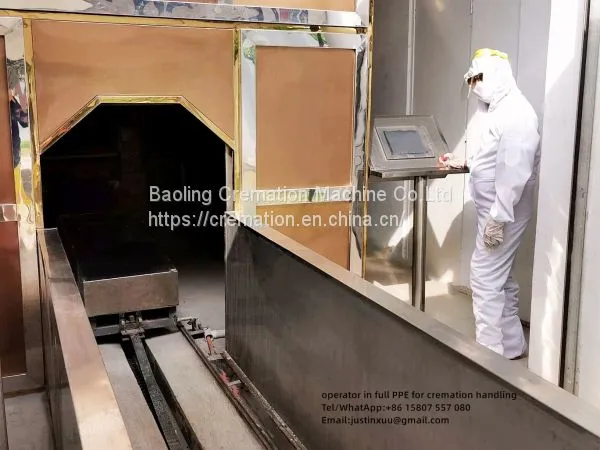
220V/380V Full Automatic Human Crematorium Cremation Machine New Crematory Furnace 18kW Power PLC Core Refractory Material 1NegotiableMOQ: 1 Set
-
Cremation Machine Burn Human Body Electrical Crematorium Machine Cremator Crematoria Europe StandardUS$ 5MOQ: 1 Set
-
Cremation System Cremation Oven Fired by Natural Gas no Smoke Human Crematorium Incinerator Crematory EquipmentNegotiableMOQ: 1 Piece
-
Cremation Equipment for Sale Eu Standard Environmental Friendly no Smoke Quick Burning Fast Short Time Cremation Machine No SmellUS$ 1 - 10MOQ: 1 Set
-
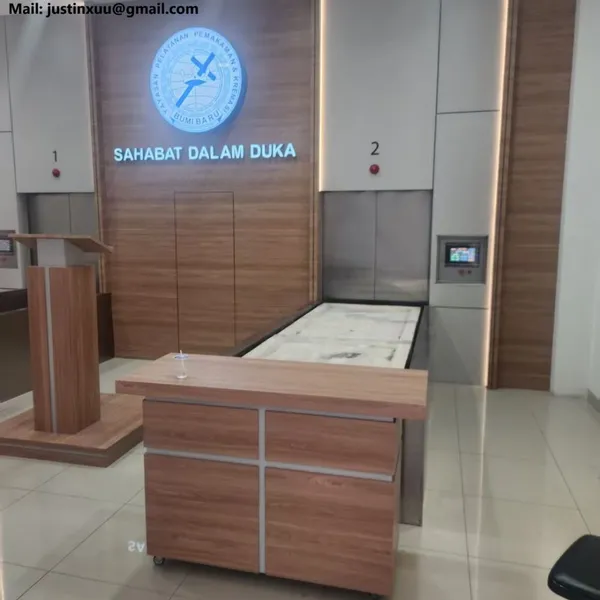
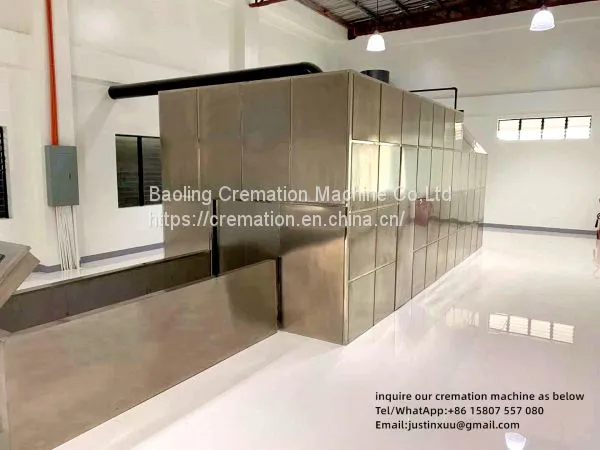
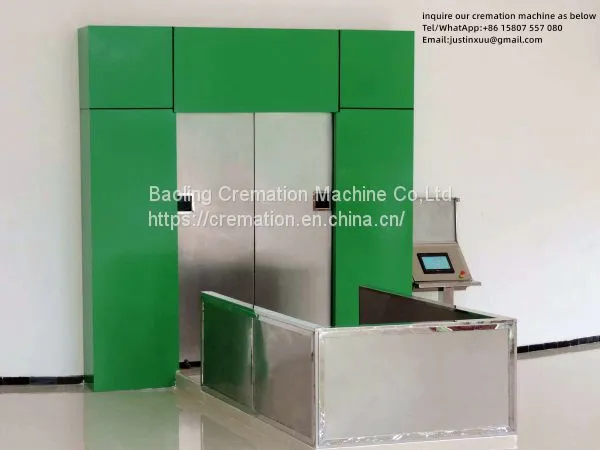
Crematorium Oven Machine Container Burn Human Body Mobile Furnace for Sale Crematory Incinerator Cremation Machine Crematory EquipmentUS$ 1 - 10MOQ: 1 Set
-
Container Crematory System Burn Human Death Body Crematoria Emergency Human Cremation Machine Crematorium IncineratorUS$ 1 - 10MOQ: 1 Set
-
Cremation Machine for Australia Market no Smell Human Crematory Machine Automatic Loading Conveyor Cremation EquipmentNegotiableMOQ: 1 Set
-
Global Top Supplier of Crematory Equipment Human Cremators Crematory Equipment Cremation Unit no Smell no SmokeNegotiableMOQ: 1 Kilogram
-
Cremation Machine Human Crematory Burner Equipment Furnace on Wheels Cremation Machine no Smoke USA StandardUS$ 1 - 10MOQ: 1 Piece
-
Automatic Cremation Machine Crematory Equipment for Human Crematorium Equipment Europe Standard EmissionUS$ 1 - 10MOQ: 1 Piece