
 Business License

Large municipal crematoriums and small scattered service scenarios
5. Upgraded High-Temperature Corrosion-Resistant New Materials
Material innovation extends furnace service life and reduces maintenance frequency:
Silicon carbide composite refractory linings replace traditional clay refractory bricks: stronger high-temperature erosion resistance, 20% longer service life and better heat insulation to lower heat loss.
Corrosion-resistant stainless steel and high-temperature alloy structures for flue gas channels and heat exchangers, resisting acid corrosion from cremation flue gas.
Sealed nano-insulation layers reduce surface heat dissipation, further lowering auxiliary energy consumption of the furnace body.
6. Modular, Miniaturized & Multi-Scene Customized Design
Market demand differentiates into large municipal crematoriums and small scattered service scenarios, driving modular product iteration:
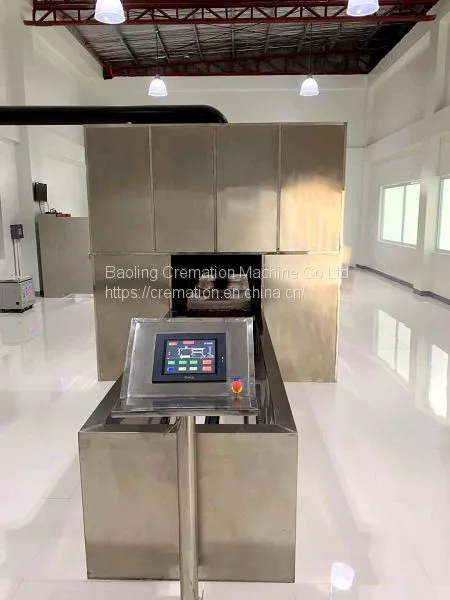
Large integrated modular furnaces: Split into combustion chamber, secondary combustion chamber, waste heat recovery and flue gas purification modules for quick on-site assembly, suitable for high-throughput municipal funeral parlors.
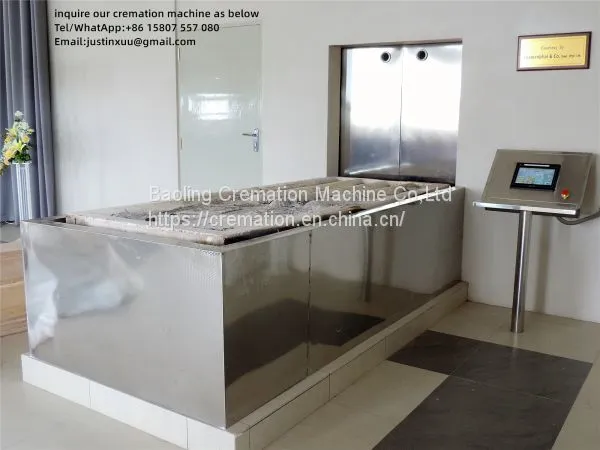
Small compact electric cremators: Miniaturized layout for pet cremation, hospital mortuaries, remote county-level small funeral facilities and temporary mobile cremation service stations, with low site space requirements.
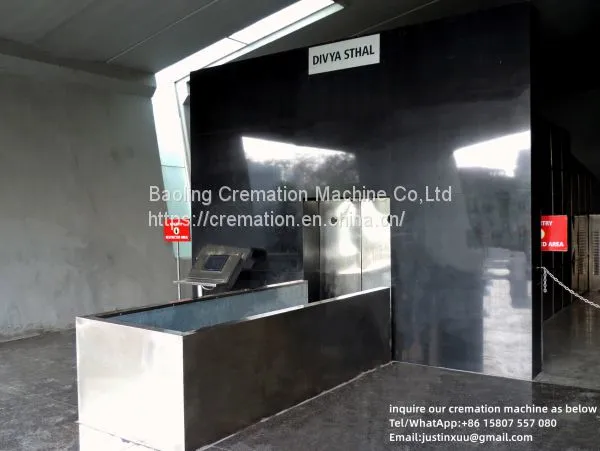
Humanized low-noise & low-odor modular cabins: Integrated sound insulation and air isolation structures to improve the visiting environment of funeral service areas, complying with urban noise and odor control standards.
Future Outlook
In the next decade, the cremation furnace industry will further converge clean energy, zero-emission purification and full AI autonomous control. All-electric and green hydrogen furnaces will gradually become mainstream new installations; waste heat comprehensive utilization and carbon capture modules will be matched on high-end models. Meanwhile, global manufacturing standards will unify around ultra-low emission and energy efficiency indicators, and equipment exports will shift from low-cost traditional gas furnaces to high-value intelligent low-carbon integrated systems.
Key Glossary
Cremation furnace / Crematory retort
Regenerative combustion system
Green hydrogen cremator
Low-temperature plasma flue gas purification
ORC waste heat power generation
IoT predictive maintenance
Dioxin re-synthesis suppression
Ultra-low emission standard
Recently Posted
-
Factory Acceptance Testing for Cremation Equipment: Inspection Protocols Before International Shipme
September 4, 2026Not long ago, a funeral company imported a cremation machine after a brief video call with the manufacturer. The quotati Read More
 -
Cremation Solutions for Rural and Remote Funeral Homes: Low-Infrastructure Equipment Options
September 4, 2026Not long ago, a funeral home in a rural district several hours from the nearest large city faced a dilemma. The community had deci Read More
 -
International Emission Standards for Cremation: EU Directive 2010/75/EU, US EPA, and China GB 13801
September 3, 2026Some time ago, a buyer in Latin America ordered a cremation furnace that met the emission limits of his own country'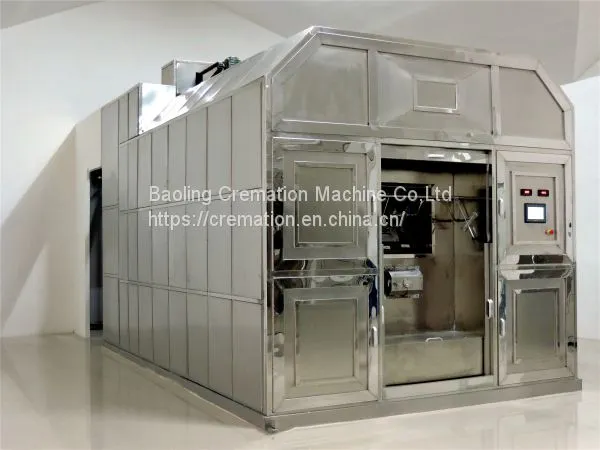 Read More
 -
Stainless Steel in Cremation Equipment Construction: Grade Selection for Durability and Corrosion Re
September 3, 2026A while back, an operator in a coastal city reported recurring pitting on the outer shell of a cremator that was just four years o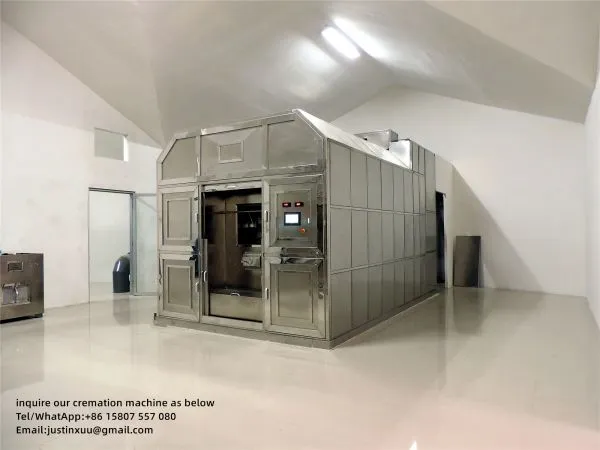 Read More

Contact Us
Recommended Products
-
 Human Cremation Machine Electric Crematorium Machine With 100kg/H Capacity and 18kw Power Crematory EquipmentNegotiableMOQ: 1 Piece
 -
220V/380V Full Automatic Human Crematorium Cremation Machine New Crematory Furnace 18kW Power PLCNegotiableMOQ: 1 Piece
-
New Full Automatic Human Crematory Incinerator Oven No Smoke Cremation Machine Crematory Equipment Crematorium MachineNegotiableMOQ: 1 Set
-
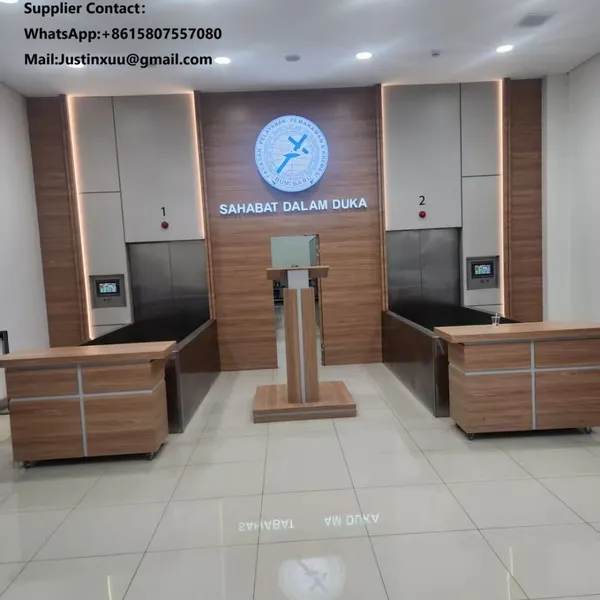
Electric Human Crematorium Machine Full Automatic Cremation Incinerator Indonesia Extra Large Coffin Cremation Electric Human Crematory MachineNegotiableMOQ: 1 Piece
-
Extra Large Coffin Cremation Machine New Technology Human Crematorium Furnace Full Automatic 100kg/h 5-Year WarrantyNegotiableMOQ: 1 Set
-
Human Cremation Machine for Sale Full Automatic Model USA TypeNegotiableMOQ: 1 Set
-
220V/380V Full Automatic Human Crematorium Cremation Machine Crematory Furnace 18kW Power PLC ControlNegotiableMOQ: 1 Set
-
Automatic Human Cremation Machine No Smell No Smoke Latest Human Cremation Technology 50/60HZ Diesel LPG CremationNegotiableMOQ: 1 Set
-
Automatic Human Crematorium Incinerator Crematory Furnace Human Cremation Machine for Wood Coffin CremationUS$ 66000MOQ: 1 Set
-
Electric Human Crematory Machine Cremation Machine No Smoke Crematorium Incinerator Cremation EquipmentUS$ 55000MOQ: 1 Combo
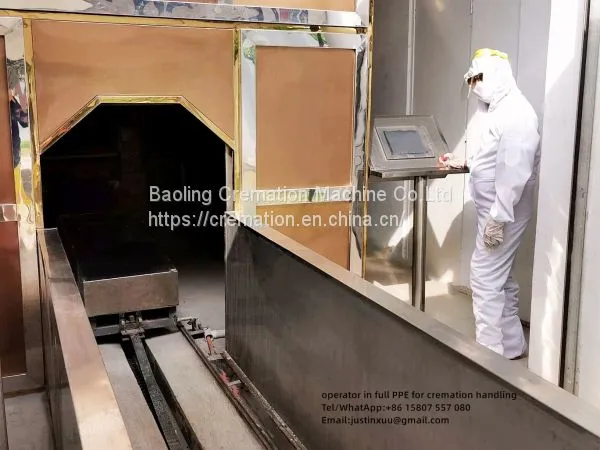
-
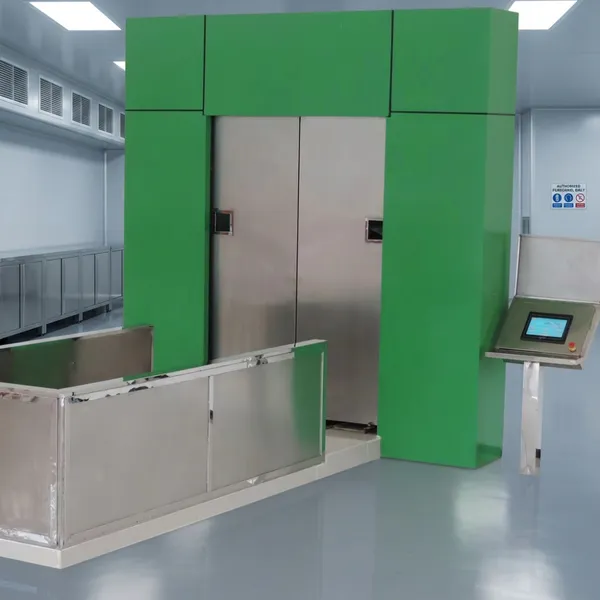
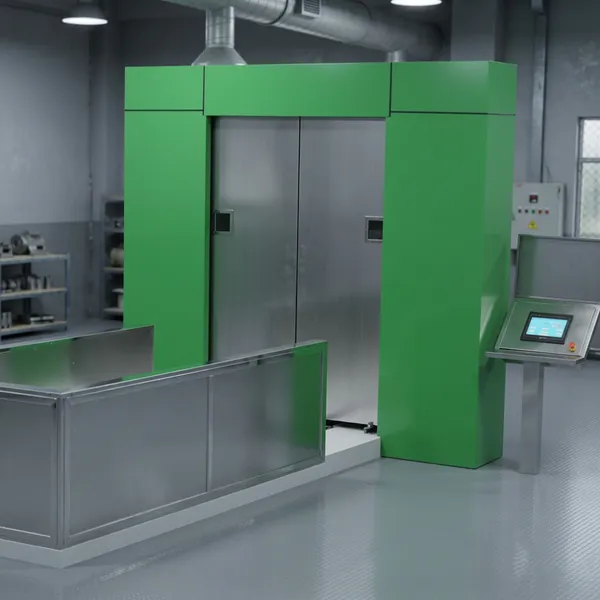
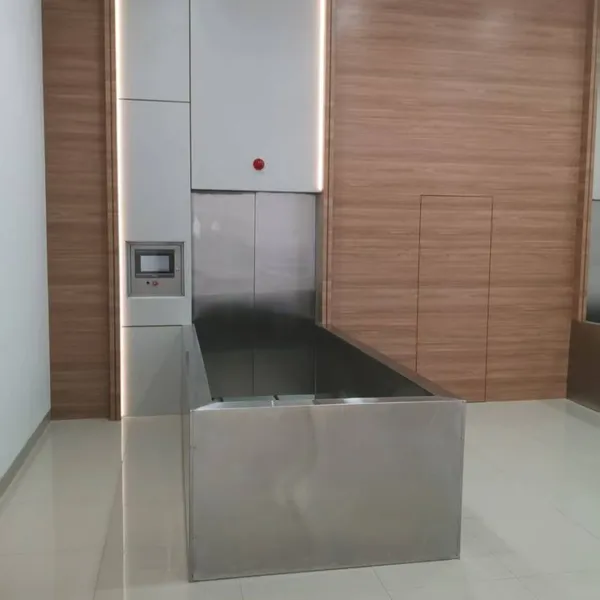
220V/380V Full Automatic Human Crematorium Cremation Machine New Crematory Furnace 18kW Power PLC Core Refractory Material 1NegotiableMOQ: 1 Set
-
Cremation Machine Burn Human Body Electrical Crematorium Machine Cremator Crematoria Europe StandardUS$ 5MOQ: 1 Set
-
Cremation System Cremation Oven Fired by Natural Gas no Smoke Human Crematorium Incinerator Crematory EquipmentNegotiableMOQ: 1 Piece
-
Cremation Equipment for Sale Eu Standard Environmental Friendly no Smoke Quick Burning Fast Short Time Cremation Machine No SmellUS$ 1 - 10MOQ: 1 Set
-
Crematorium Oven Machine Container Burn Human Body Mobile Furnace for Sale Crematory Incinerator Cremation Machine Crematory EquipmentUS$ 1 - 10MOQ: 1 Set
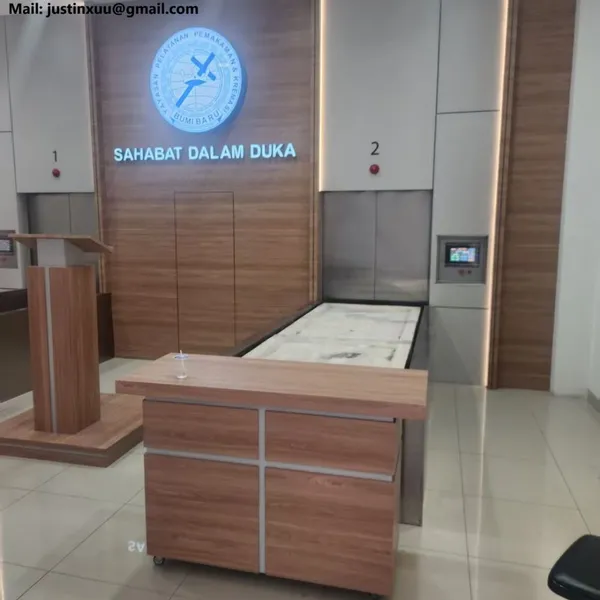
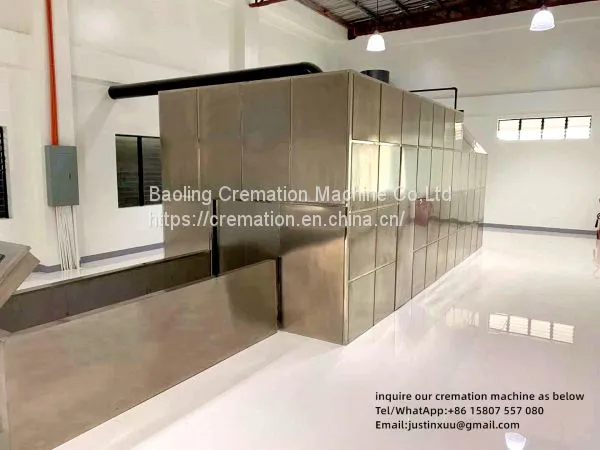
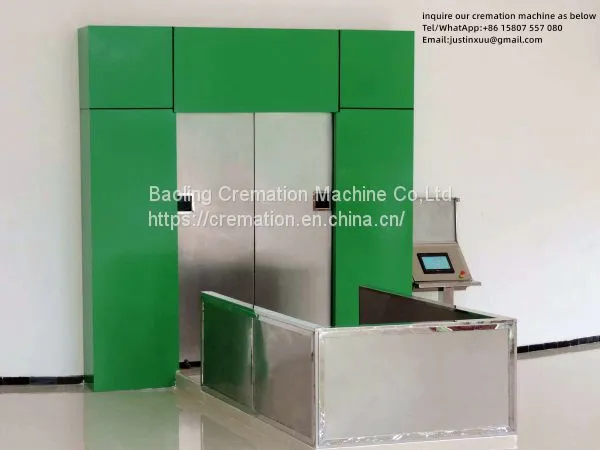
-
Container Crematory System Burn Human Death Body Crematoria Emergency Human Cremation Machine Crematorium IncineratorUS$ 1 - 10MOQ: 1 Set
-
Cremation Machine for Australia Market no Smell Human Crematory Machine Automatic Loading Conveyor Cremation EquipmentNegotiableMOQ: 1 Set
-
Global Top Supplier of Crematory Equipment Human Cremators Crematory Equipment Cremation Unit no Smell no SmokeNegotiableMOQ: 1 Kilogram
-
Cremation Machine Human Crematory Burner Equipment Furnace on Wheels Cremation Machine no Smoke USA StandardUS$ 1 - 10MOQ: 1 Piece
-
Automatic Cremation Machine Crematory Equipment for Human Crematorium Equipment Europe Standard EmissionUS$ 1 - 10MOQ: 1 Piece