
 Business License

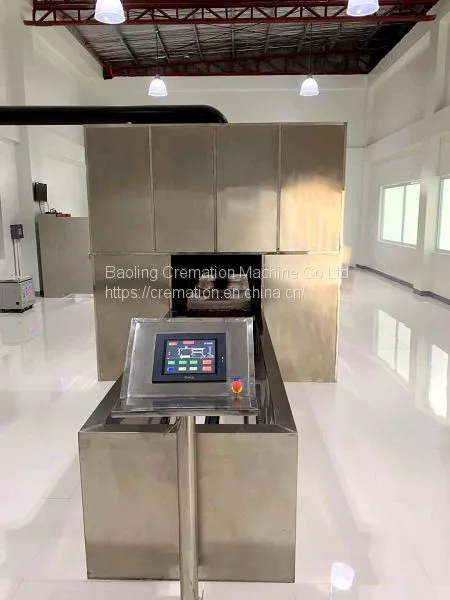
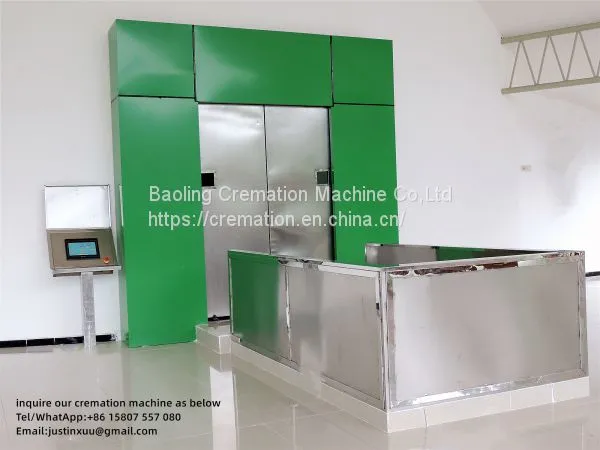
Technical Characteristics of Cremation Furnaces
Technical Characteristics of Cremation Furnaces
1. Two-Stage High-Temperature Combustion Structure
Modern cremation furnaces adopt a dual-chamber combustion design consisting of a primary combustion chamber and a secondary combustion chamber.
The primary chamber provides stable high temperature (650–850℃) for complete gasification and incineration of remains and coffins.
The secondary chamber maintains a constant temperature above 850℃ with a flue gas residence time of no less than 2 seconds. It thoroughly decomposes harmful substances such as dioxins, malodorous gases and incomplete combustion volatiles, fundamentally avoiding toxic pollutant re-synthesis.
Swirl air distribution technology creates a turbulent flame field, eliminating dead combustion zones and improving burning uniformity.
2. Efficient Energy-Saving & Heat Regeneration Performance
Honeycomb ceramic regenerators preheat combustion air by recovering waste heat from high-temperature flue gas, cutting fuel consumption by 30%–40% and raising overall thermal efficiency.
Optional waste heat recovery modules can recycle residual heat for heating, hot water supply or small-scale power generation, realizing cascade utilization of thermal energy.
Multi-layer nano thermal insulation lining reduces surface heat loss of the furnace body, lowering ambient temperature around equipment and avoiding energy waste.
3. Integrated Multi-Pollutant Flue Gas Purification System
It realizes synchronous removal of dust, nitrogen oxides, sulfur compounds, dioxins and odors through combined purification units:
High-temperature cracking in the secondary chamber eliminates precursor substances of dioxins.
Combined processes of dust removal, denitrification, activated carbon adsorption and deodorization meet international ultra-low emission standards.
Built-in online flue gas monitoring sensors automatically track emission data and upload readings to environmental supervision platforms in real time.
4. Intelligent Automatic Control System Based on IoT
Closed-loop automatic temperature control: The system intelligently adjusts fuel supply and air intake ratio according to combustion status, remains weight and coffin materials to avoid insufficient or excessive combustion.
Full-process automated operation: automatic feeding, automatic temperature holding, timing cooling and automatic ash discharge, greatly reducing manual intervention.
Remote monitoring and predictive maintenance: Real-time monitoring of furnace pressure, temperature, burner status and refractory wear; early warning of potential faults to reduce downtime.
Whole-process data recording and video traceability to satisfy standardized funeral management requirements.
Recently Posted
-
Factory Acceptance Testing for Cremation Equipment: Inspection Protocols Before International Shipme
September 4, 2026Not long ago, a funeral company imported a cremation machine after a brief video call with the manufacturer. The quotati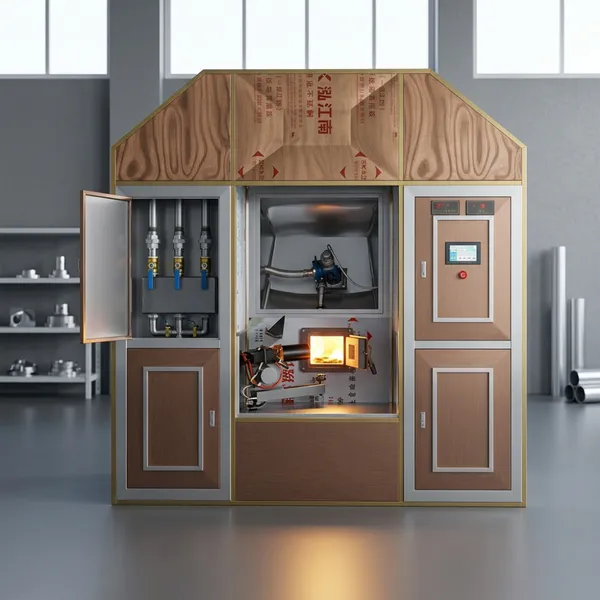 Read More
 -
Cremation Solutions for Rural and Remote Funeral Homes: Low-Infrastructure Equipment Options
September 4, 2026Not long ago, a funeral home in a rural district several hours from the nearest large city faced a dilemma. The community had deci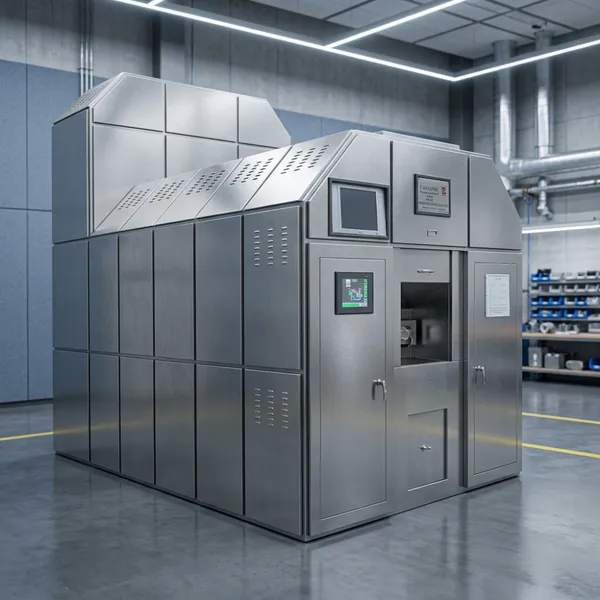 Read More
 -
International Emission Standards for Cremation: EU Directive 2010/75/EU, US EPA, and China GB 13801
September 3, 2026Some time ago, a buyer in Latin America ordered a cremation furnace that met the emission limits of his own country'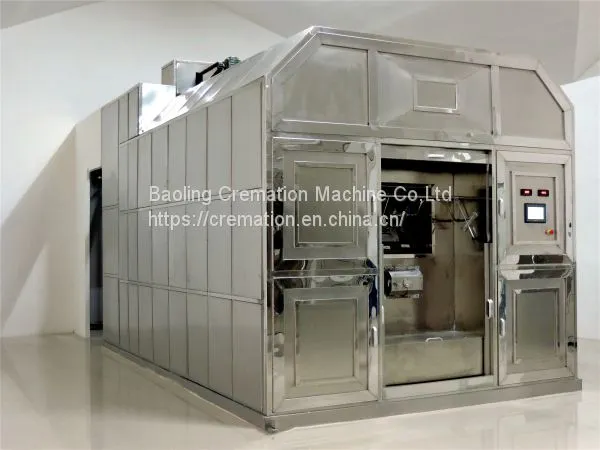 Read More
 -
Stainless Steel in Cremation Equipment Construction: Grade Selection for Durability and Corrosion Re
September 3, 2026A while back, an operator in a coastal city reported recurring pitting on the outer shell of a cremator that was just four years o Read More

Contact Us
Recommended Products
-
 Human Cremation Machine Electric Crematorium Machine With 100kg/H Capacity and 18kw Power Crematory EquipmentNegotiableMOQ: 1 Piece
 -
220V/380V Full Automatic Human Crematorium Cremation Machine New Crematory Furnace 18kW Power PLCNegotiableMOQ: 1 Piece
-
New Full Automatic Human Crematory Incinerator Oven No Smoke Cremation Machine Crematory Equipment Crematorium MachineNegotiableMOQ: 1 Set
-
Electric Human Crematorium Machine Full Automatic Cremation Incinerator Indonesia Extra Large Coffin Cremation Electric Human Crematory MachineNegotiableMOQ: 1 Piece
-
Extra Large Coffin Cremation Machine New Technology Human Crematorium Furnace Full Automatic 100kg/h 5-Year WarrantyNegotiableMOQ: 1 Set
-
Human Cremation Machine for Sale Full Automatic Model USA TypeNegotiableMOQ: 1 Set
-
220V/380V Full Automatic Human Crematorium Cremation Machine Crematory Furnace 18kW Power PLC ControlNegotiableMOQ: 1 Set
-
Automatic Human Cremation Machine No Smell No Smoke Latest Human Cremation Technology 50/60HZ Diesel LPG CremationNegotiableMOQ: 1 Set
-
Automatic Human Crematorium Incinerator Crematory Furnace Human Cremation Machine for Wood Coffin CremationUS$ 66000MOQ: 1 Set
-
Electric Human Crematory Machine Cremation Machine No Smoke Crematorium Incinerator Cremation EquipmentUS$ 55000MOQ: 1 Combo
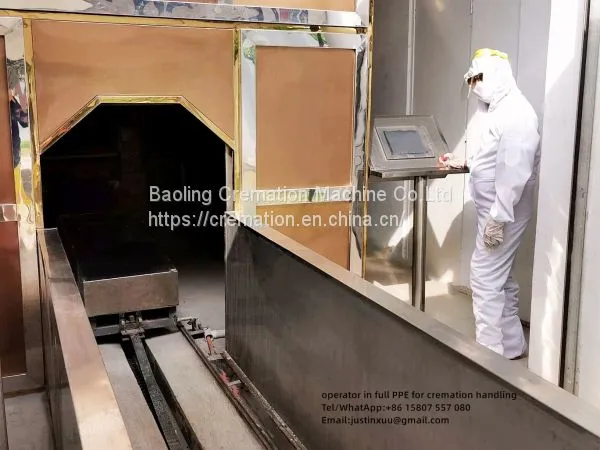
-
220V/380V Full Automatic Human Crematorium Cremation Machine New Crematory Furnace 18kW Power PLC Core Refractory Material 1NegotiableMOQ: 1 Set
-
Cremation Machine Burn Human Body Electrical Crematorium Machine Cremator Crematoria Europe StandardUS$ 5MOQ: 1 Set
-
Cremation System Cremation Oven Fired by Natural Gas no Smoke Human Crematorium Incinerator Crematory EquipmentNegotiableMOQ: 1 Piece
-
Cremation Equipment for Sale Eu Standard Environmental Friendly no Smoke Quick Burning Fast Short Time Cremation Machine No SmellUS$ 1 - 10MOQ: 1 Set
-
Crematorium Oven Machine Container Burn Human Body Mobile Furnace for Sale Crematory Incinerator Cremation Machine Crematory EquipmentUS$ 1 - 10MOQ: 1 Set
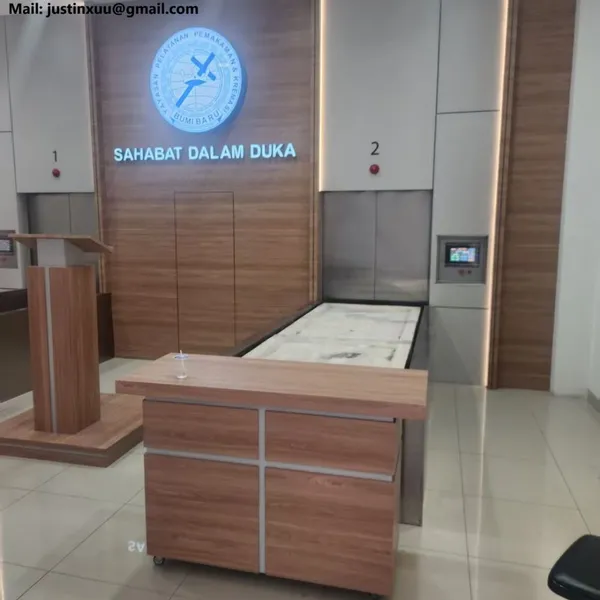
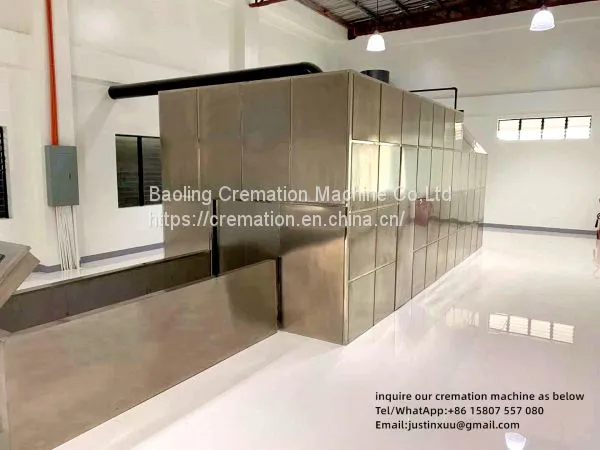
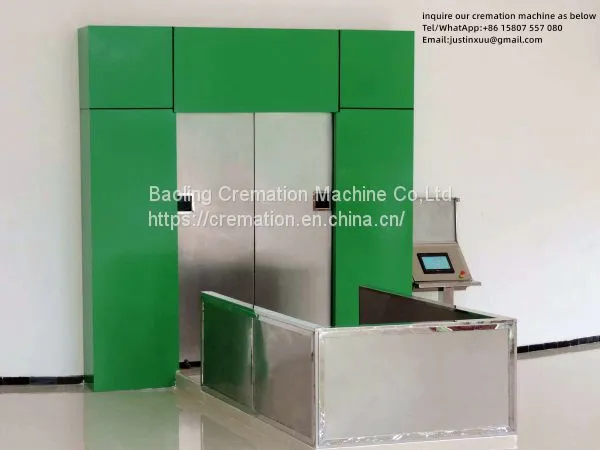
-
Container Crematory System Burn Human Death Body Crematoria Emergency Human Cremation Machine Crematorium IncineratorUS$ 1 - 10MOQ: 1 Set
-
Cremation Machine for Australia Market no Smell Human Crematory Machine Automatic Loading Conveyor Cremation EquipmentNegotiableMOQ: 1 Set
-
Global Top Supplier of Crematory Equipment Human Cremators Crematory Equipment Cremation Unit no Smell no SmokeNegotiableMOQ: 1 Kilogram
-
Cremation Machine Human Crematory Burner Equipment Furnace on Wheels Cremation Machine no Smoke USA StandardUS$ 1 - 10MOQ: 1 Piece
-
Automatic Cremation Machine Crematory Equipment for Human Crematorium Equipment Europe Standard EmissionUS$ 1 - 10MOQ: 1 Piece