
 Business License

Human Cremation Machine Safety Guide
Published on July 29, 2026.
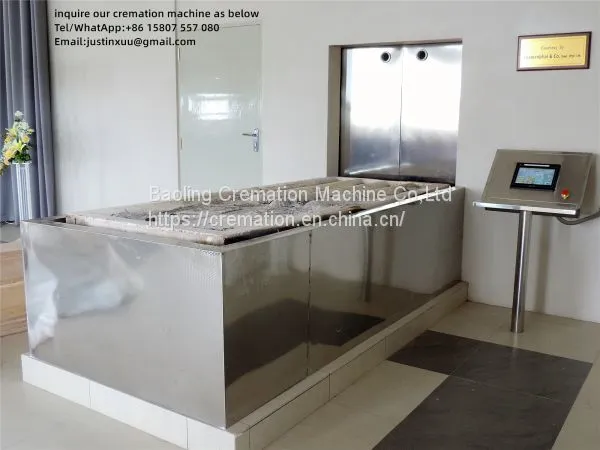
A human cremation machine operates at extreme temperatures with combustible fuel and moving parts — safety is engineered, not assumed. Under the EU Machinery Directive 2006/42/EC, machinery placed on the market must include protective measures such as guards and interlocks (European Parliament and Council). As cremation volumes rise — CANA places the U.S. rate near 57.9% in 2021 with NFDA projecting above 60% through the 2020s (CANA 2022; NFDA 2023 Cremation and Burial Report) — throughput pressure makes automated safety more important, not less. A modern cremation furnace should reduce human exposure, not increase it.
Industry Background: Why Automation Reduces Risk
Manual cremation operation concentrates risk in the operator: opening doors under heat, adjusting fuel by eye, and responding to faults in real time. Three factors push toward automation:
Regulation — the EU Machinery Directive 2006/42/EC requires safety components (emergency stop, interlocks, guards) on machinery.
Volume pressure — rising cremation counts mean more cycles and more exposure windows per day.
Consistency — automated cycles repeat safely; fatigued manual control drifts.
The safest unit is one where the dangerous steps are enclosed and supervised by a programmable controller, not a person.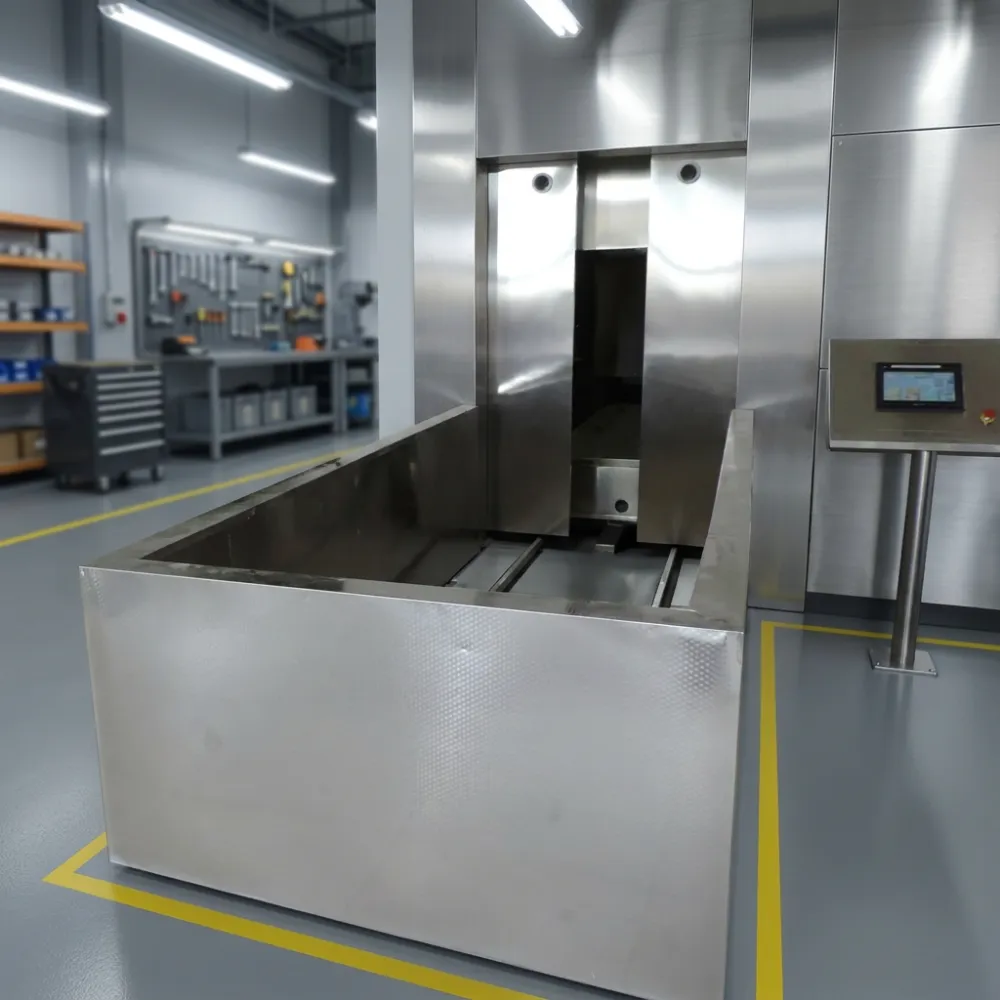
What a Safe, Automatic Cremation Furnace Includes
Look for these as baseline, not premium:
PLC intelligent control — manages ramp, fuel-air ratio, and sequence without manual intervention.
Flame failure protection — cuts fuel if ignition is lost.
Door and access interlocks — prevent opening under unsafe conditions.
Emergency stop — accessible and tested.
Standard power compatibility — 220V/380V with correct electrical certification.
Clear fault diagnostics — so operators respond to warnings, not guesses.
How to Operate a Fully Automatic Cremation Furnace Safely
A practical operating protocol:
Commission with the supplier. Verify interlocks, emergency stop, and sensors before first use.
Train operators formally. Documented training beats on-the-job guessing, especially for PLC presets.
Run the daily pre-start checklist. Confirm door interlocks, fuel supply, and abatement status.
Use PLC presets; avoid manual overrides. Overrides should be exceptional and logged.
Verify safety each cycle. Never bypass a door or flame interlock to save time.
Maintain combustion and abatement. A degraded afterburner is both a compliance and a safety risk.
Drill emergency procedures. PPE, evacuation, and shutdown routes must be known, not posted-and-forgotten.
Schedule periodic inspection aligned with the Machinery Directive's ongoing safety expectations.
What Automated Specs Deliver for Buyers
Grounding in published specifications operators can validate:
Full Automatic and PLC Intelligent Control listings describe enclosed, programmable operation that limits manual exposure.
18 kW energy-saving configurations pair safety automation with efficiency.
Multi-fuel (gas/LPG/diesel) units centralize fuel control through the PLC rather than manual valves.
MOQ of 1 set allows a safe, compliant pilot before fleet adoption.
Automation reduces but does not eliminate risk; training and maintenance remain the operator's responsibility.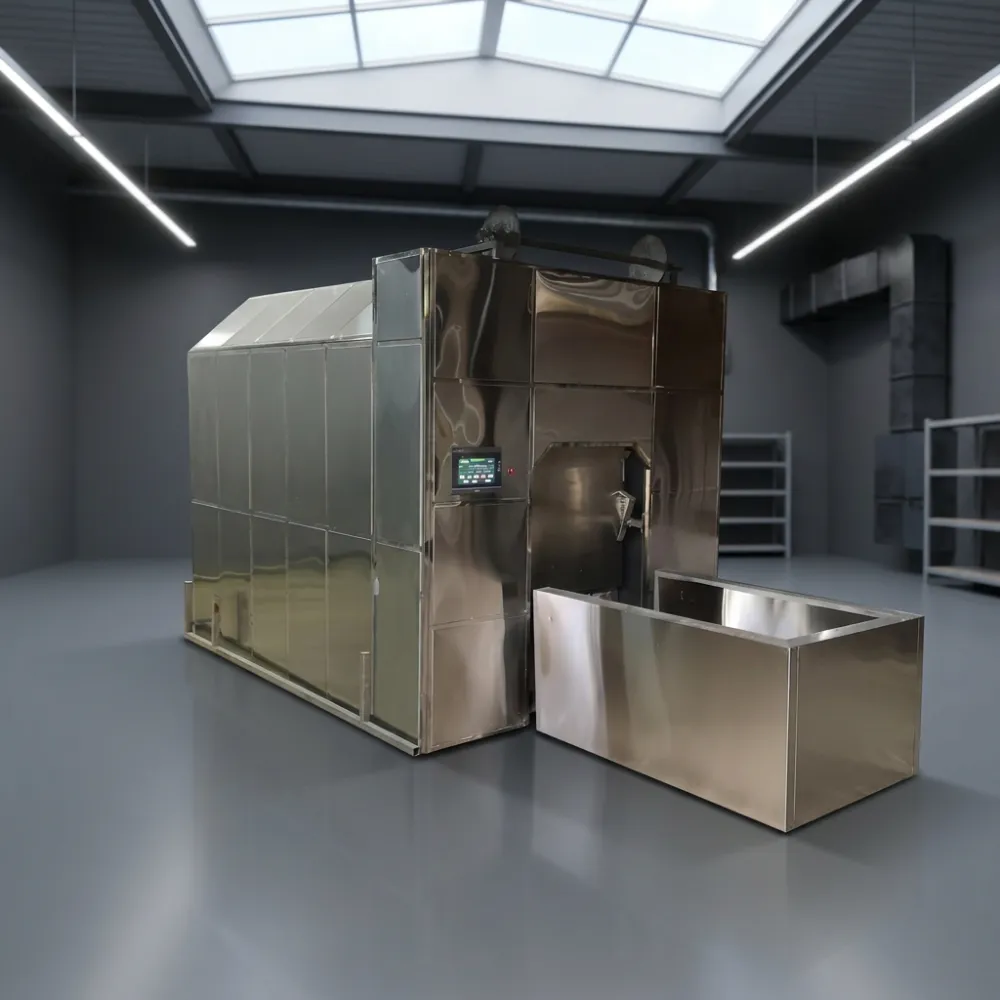
FAQ
What is the typical minimum order quantity for an automated unit?Listings generally show MOQ of 1 set, suitable for a single safe, automated installation. Customized builds may differ and are confirmed at quotation.
How long is the lead time for a fully automatic cremation furnace?Lead time depends on configuration, certification, and shipping. Allow time for PLC programming and safety documentation; confirm a dated schedule in writing.
Can the equipment be customized with local safety and voltage standards?Yes — specify your target machinery-safety standard and voltage (e.g., 220V/380V) in the inquiry, and require the relevant electrical and safety compliance files in delivery.
Conclusion
Safety in a human cremation machine is built into the design: PLC control, interlocks, flame failure protection, and emergency stops turn dangerous steps into supervised, enclosed processes. Pair that hardware with formal training and a daily checklist, and a modern cremation furnace becomes safer than any manual alternative. Explore the range of fully automatic, PLC-controlled cremation systems and specification sheets, and work with a supplier who can document safety compliance with verifiable certification.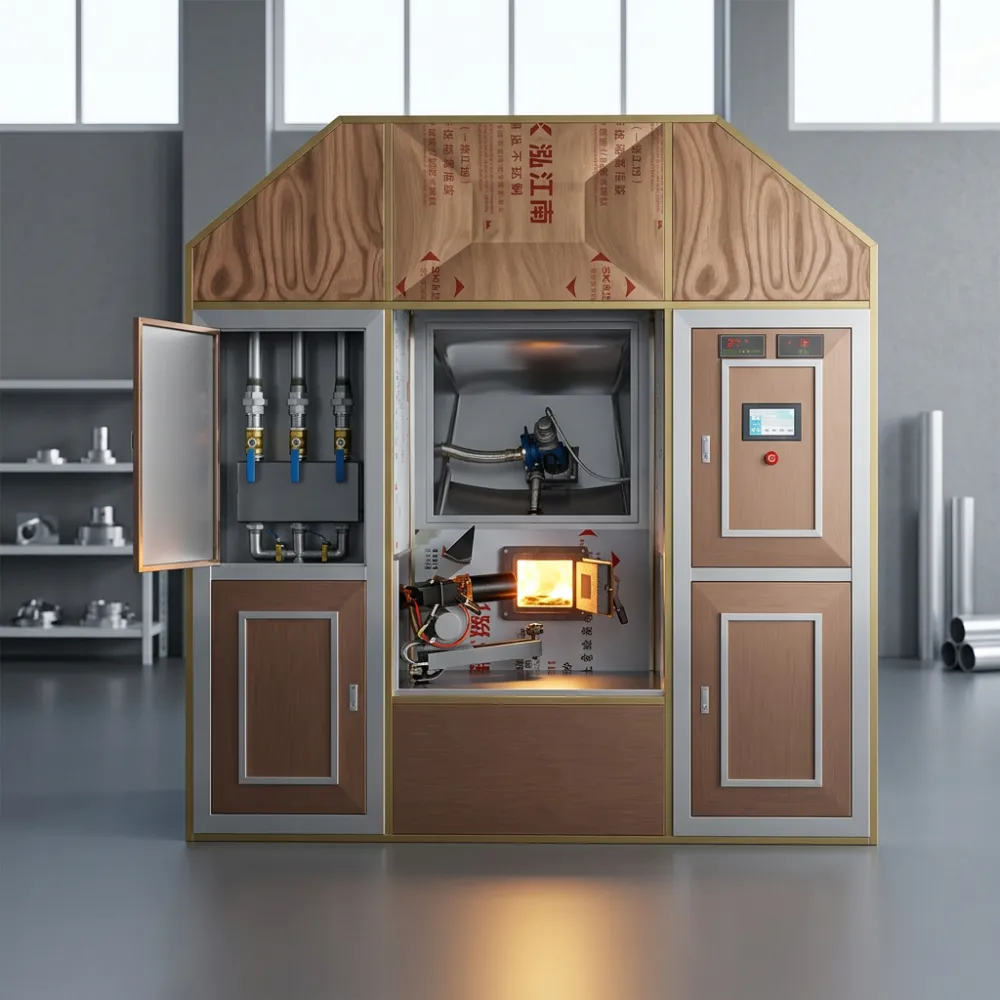
Recently Posted
-
Factory Acceptance Testing for Cremation Equipment: Inspection Protocols Before International Shipme
September 4, 2026Not long ago, a funeral company imported a cremation machine after a brief video call with the manufacturer. The quotati Read More
 -
Cremation Solutions for Rural and Remote Funeral Homes: Low-Infrastructure Equipment Options
September 4, 2026Not long ago, a funeral home in a rural district several hours from the nearest large city faced a dilemma. The community had deci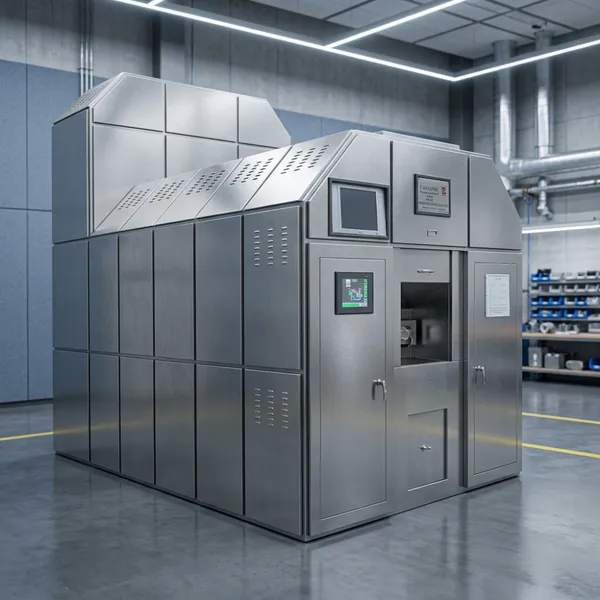 Read More
 -
International Emission Standards for Cremation: EU Directive 2010/75/EU, US EPA, and China GB 13801
September 3, 2026Some time ago, a buyer in Latin America ordered a cremation furnace that met the emission limits of his own country'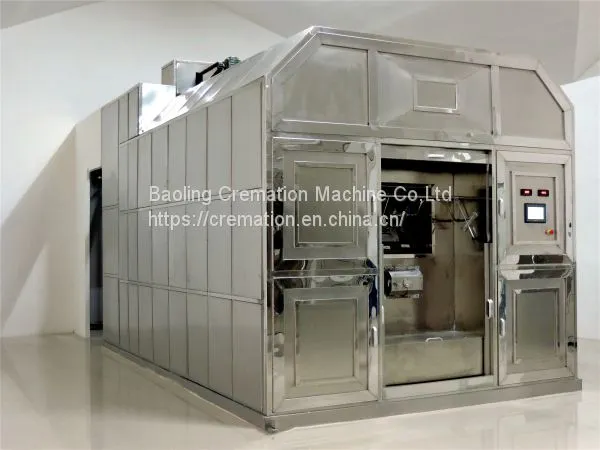 Read More
 -
Stainless Steel in Cremation Equipment Construction: Grade Selection for Durability and Corrosion Re
September 3, 2026A while back, an operator in a coastal city reported recurring pitting on the outer shell of a cremator that was just four years o Read More

Contact Us
Recommended Products
-
 Human Cremation Machine Electric Crematorium Machine With 100kg/H Capacity and 18kw Power Crematory EquipmentNegotiableMOQ: 1 Piece
 -
220V/380V Full Automatic Human Crematorium Cremation Machine New Crematory Furnace 18kW Power PLCNegotiableMOQ: 1 Piece
-
New Full Automatic Human Crematory Incinerator Oven No Smoke Cremation Machine Crematory Equipment Crematorium MachineNegotiableMOQ: 1 Set
-
Electric Human Crematorium Machine Full Automatic Cremation Incinerator Indonesia Extra Large Coffin Cremation Electric Human Crematory MachineNegotiableMOQ: 1 Piece
-
Extra Large Coffin Cremation Machine New Technology Human Crematorium Furnace Full Automatic 100kg/h 5-Year WarrantyNegotiableMOQ: 1 Set
-
Human Cremation Machine for Sale Full Automatic Model USA TypeNegotiableMOQ: 1 Set
-
220V/380V Full Automatic Human Crematorium Cremation Machine Crematory Furnace 18kW Power PLC ControlNegotiableMOQ: 1 Set
-
Automatic Human Cremation Machine No Smell No Smoke Latest Human Cremation Technology 50/60HZ Diesel LPG CremationNegotiableMOQ: 1 Set
-
Automatic Human Crematorium Incinerator Crematory Furnace Human Cremation Machine for Wood Coffin CremationUS$ 66000MOQ: 1 Set
-
Electric Human Crematory Machine Cremation Machine No Smoke Crematorium Incinerator Cremation EquipmentUS$ 55000MOQ: 1 Combo
-
220V/380V Full Automatic Human Crematorium Cremation Machine New Crematory Furnace 18kW Power PLC Core Refractory Material 1NegotiableMOQ: 1 Set
-
Cremation Machine Burn Human Body Electrical Crematorium Machine Cremator Crematoria Europe StandardUS$ 5MOQ: 1 Set
-
Cremation System Cremation Oven Fired by Natural Gas no Smoke Human Crematorium Incinerator Crematory EquipmentNegotiableMOQ: 1 Piece
-
Cremation Equipment for Sale Eu Standard Environmental Friendly no Smoke Quick Burning Fast Short Time Cremation Machine No SmellUS$ 1 - 10MOQ: 1 Set
-
Crematorium Oven Machine Container Burn Human Body Mobile Furnace for Sale Crematory Incinerator Cremation Machine Crematory EquipmentUS$ 1 - 10MOQ: 1 Set
-
Container Crematory System Burn Human Death Body Crematoria Emergency Human Cremation Machine Crematorium IncineratorUS$ 1 - 10MOQ: 1 Set
-
Cremation Machine for Australia Market no Smell Human Crematory Machine Automatic Loading Conveyor Cremation EquipmentNegotiableMOQ: 1 Set
-
Global Top Supplier of Crematory Equipment Human Cremators Crematory Equipment Cremation Unit no Smell no SmokeNegotiableMOQ: 1 Kilogram
-
Cremation Machine Human Crematory Burner Equipment Furnace on Wheels Cremation Machine no Smoke USA StandardUS$ 1 - 10MOQ: 1 Piece
-
Automatic Cremation Machine Crematory Equipment for Human Crematorium Equipment Europe Standard EmissionUS$ 1 - 10MOQ: 1 Piece