
 Business License

Mobile Cremation Furnace for Remote Use
Published on July 29, 2026.
A mobile cremation furnace solves a problem fixed infrastructure cannot: delivering dignified, compliant cremation where there is no crematorium — or where the nearest one was damaged. According to the World Health Organization (WHO, "Management of dead bodies after disasters: a field manual," 2006), emergencies require safe, culturally appropriate disposal that protects both public health and dignity. For operators serving remote islands, mining towns, or disaster zones, a human cremation machine that can be transported and run off-grid is now a practical procurement category. This guide explains when mobile units make sense and how to deploy one responsibly.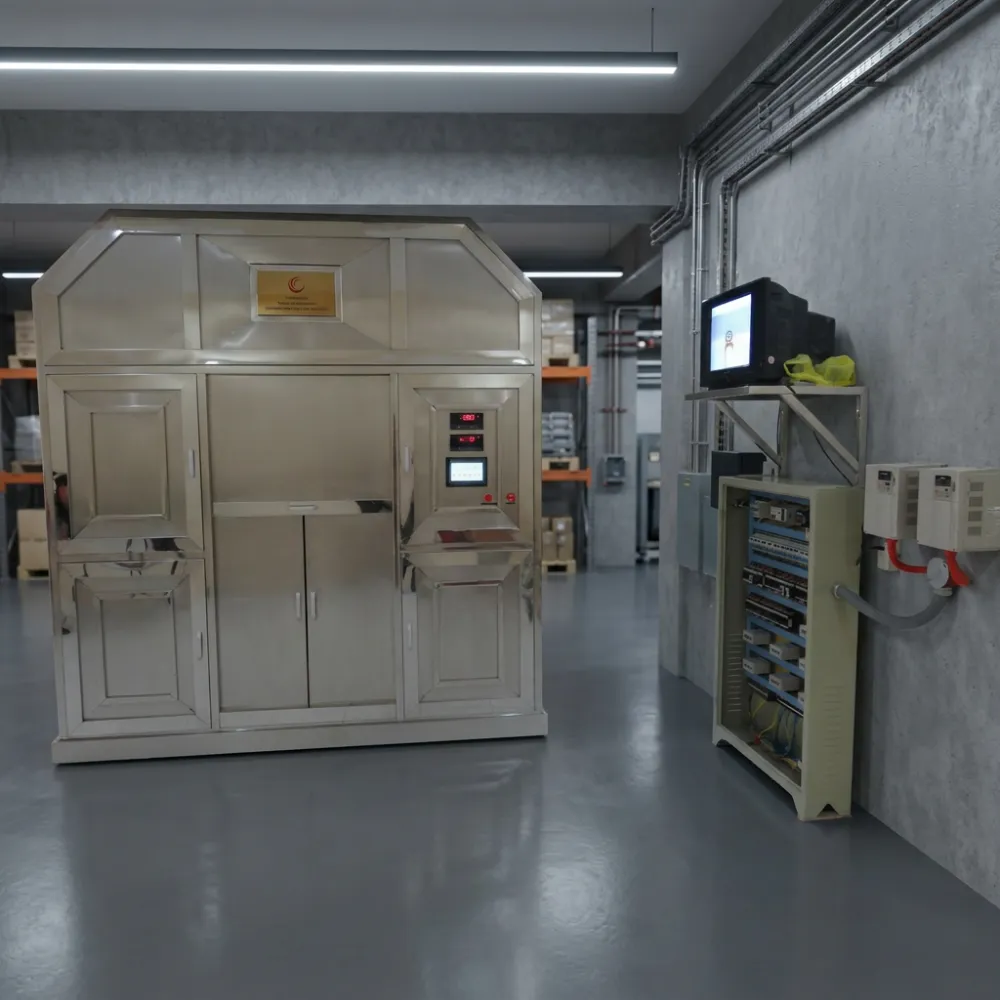
Industry Background: Why Remote and Emergency Demand Is Growing
Fixed crematoria cluster around population centers, leaving vast areas underserved. Three trends converge:
Disaster response — earthquakes, floods, and epidemics can disable local facilities precisely when demand spikes. WHO's 2006 field manual stresses pre-planned, safe body-management systems rather than ad-hoc responses.
Remote communities — islands and rural regions face high transport cost to reach the nearest crematorium.
Volume growth — CANA places the U.S. cremation rate near 57.9% in 2021 with NFDA projecting above 60% through the 2020s (CANA 2022; NFDA 2023 Cremation and Burial Report), pushing capacity beyond fixed sites.
(Update note: Pre-2023 statistics are retained for trend context; verify against the latest CANA and NFDA annual releases.)
What a Mobile Cremation Furnace Must Deliver
Catalog configurations show the realistic envelope:
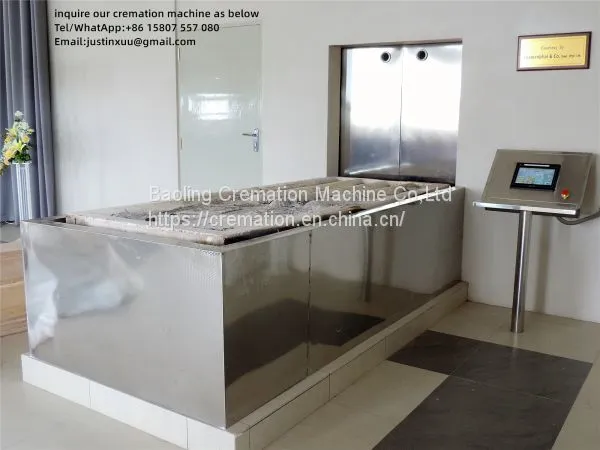
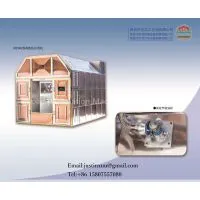
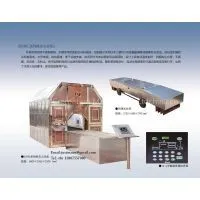
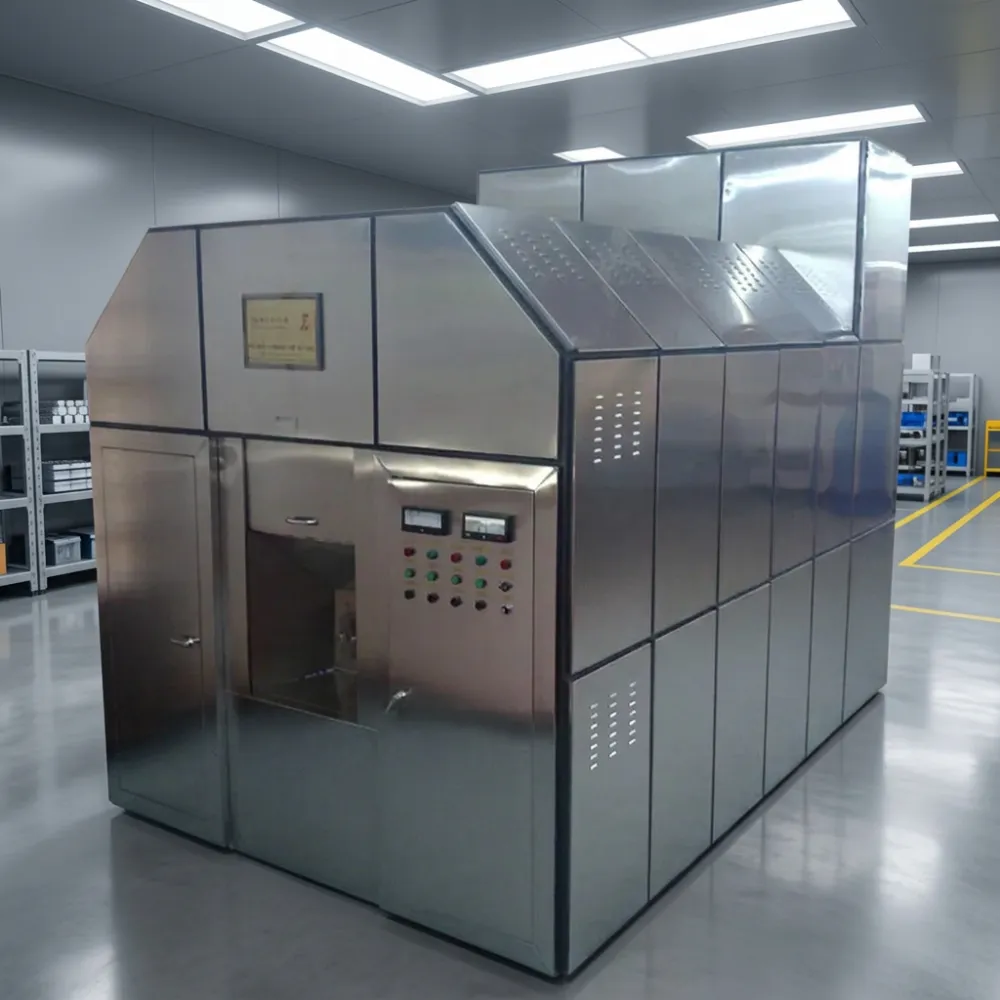
Container mobile — factory-built into a shipping container for crane-off truck deployment.
Portable removable — skid or trailer-mounted for remote funeral service.
Self-contained combustion and abatement — secondary chamber and emission control built in, not added on site.
Off-grid fuel — diesel configurations run where natural gas is unavailable.
Standard power — 220V/380V compatibility with generator support.
The goal is a complete, permit-ready system that arrives, connects, and operates — not a collection of parts needing local fabrication.
How to Deploy a Mobile Cremation Furnace for Remote Areas
Deployment is as much about procedure as equipment:
Survey site access. Confirm road width, bridge load, and crane or forklift availability for container units.
Plan fuel logistics. For off-grid sites, specify diesel and secure a managed fuel supply; gas units need a local line or LPG storage.
Confirm permits even in emergencies. Many jurisdictions still require emission and public-health authorization; coordinate with local authorities early.
Train a small crew. PLC-controlled units need only a few trained operators, but they must know emergency stops and ash handling.
Document the chain of custody. Dignity and compliance require recording each cremation and ash return.
Align with response frameworks. Reference WHO and IFRC (International Federation of Red Cross and Red Crescent Societies) guidance on dead-body management for protocol consistency.
What the Specifications Deliver for Buyers
Grounding outcomes in published specifications operators can validate:
Container Mobile and Portable Removable listings describe rapid-deployment builds for emergency and remote service.
Multi-Fuel Diesel configurations support off-grid operation.
No Smoke / No Smell claims, where paired with secondary combustion and abatement, target the public-health concern central to WHO guidance.
MOQ of 1 unit allows a single deployment unit rather than a fleet commitment.
Effectiveness depends on site preparation and local permits; the equipment is necessary but not sufficient on its own.
FAQ
What is the typical minimum order quantity for a mobile unit?Listings generally show MOQ of 1 unit, suitable for a single deployment. Containerized or fully custom builds may differ and are confirmed at quotation.
How long is the lead time for a mobile cremation furnace?Lead time depends on configuration, certification, and shipping. Sea freight is economical for planned rollouts; air freight suits urgent disaster response. Secure a dated production schedule in writing.
Can the unit be customized to local emission and power standards?Yes — specify your target emission standard and voltage (e.g., 220V/380V, diesel) in the inquiry, and require the matching test certificate and electrical compliance documents in delivery.
Conclusion
A mobile cremation furnace extends dignified, compliant service to places fixed crematoria cannot reach. Success depends less on the hardware alone and more on disciplined deployment: site survey, fuel plan, permits, trained crew, and alignment with WHO or IFRC protocols. Explore the range of container, portable, and multi-fuel human cremation machine configurations, and speak with a supplier who can document emission performance and support off-grid operation with verifiable test data.
Recently Posted
-
Factory Acceptance Testing for Cremation Equipment: Inspection Protocols Before International Shipme
September 4, 2026Not long ago, a funeral company imported a cremation machine after a brief video call with the manufacturer. The quotati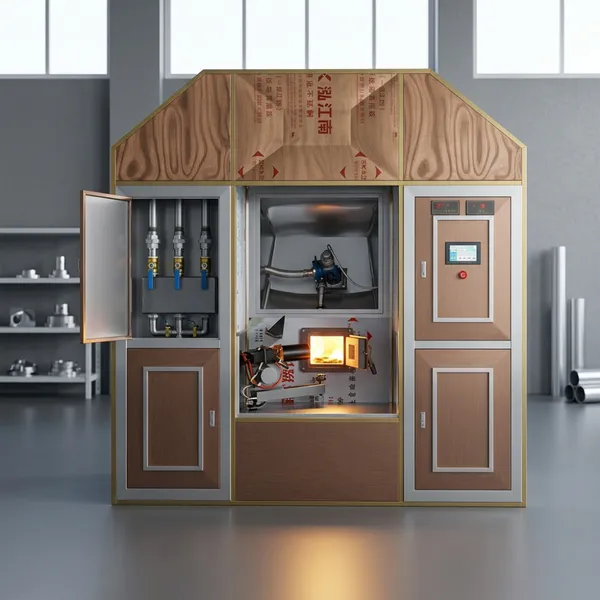 Read More
 -
Cremation Solutions for Rural and Remote Funeral Homes: Low-Infrastructure Equipment Options
September 4, 2026Not long ago, a funeral home in a rural district several hours from the nearest large city faced a dilemma. The community had deci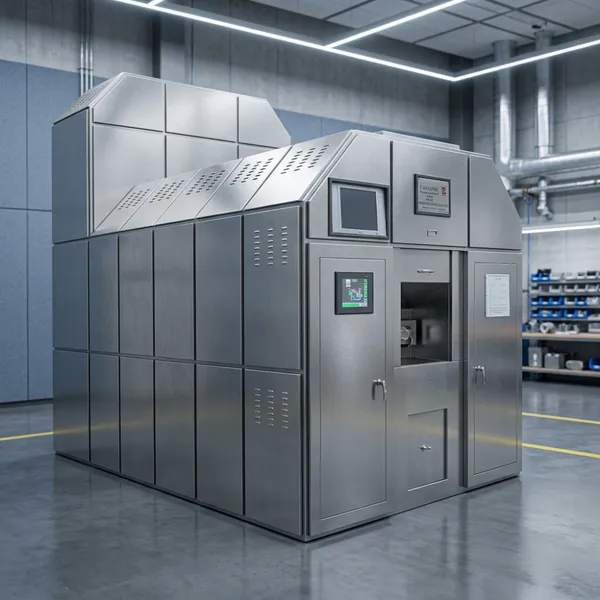 Read More
 -
International Emission Standards for Cremation: EU Directive 2010/75/EU, US EPA, and China GB 13801
September 3, 2026Some time ago, a buyer in Latin America ordered a cremation furnace that met the emission limits of his own country'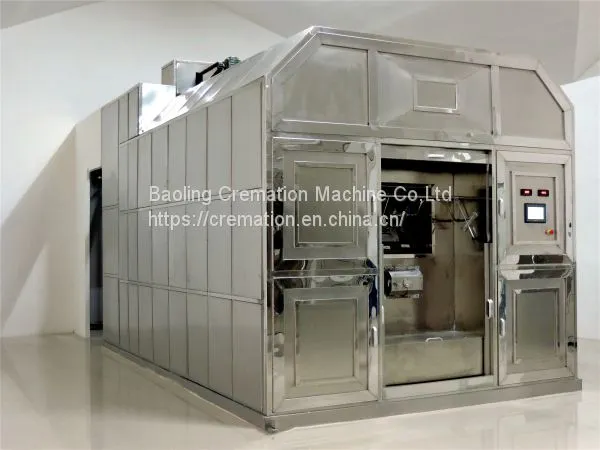 Read More
 -
Stainless Steel in Cremation Equipment Construction: Grade Selection for Durability and Corrosion Re
September 3, 2026A while back, an operator in a coastal city reported recurring pitting on the outer shell of a cremator that was just four years o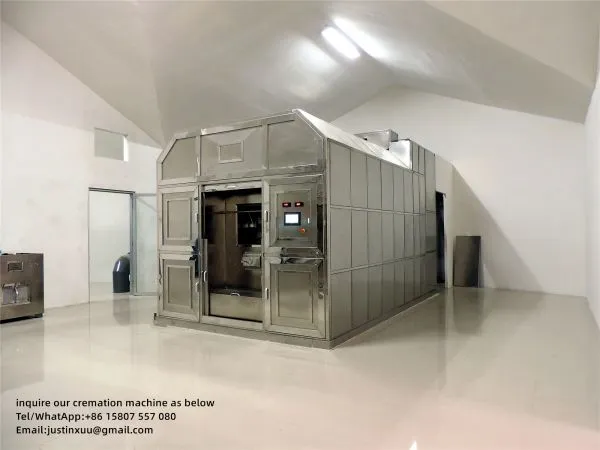 Read More

Contact Us
Recommended Products
-
 Human Cremation Machine Electric Crematorium Machine With 100kg/H Capacity and 18kw Power Crematory EquipmentNegotiableMOQ: 1 Piece
 -
220V/380V Full Automatic Human Crematorium Cremation Machine New Crematory Furnace 18kW Power PLCNegotiableMOQ: 1 Piece
-
New Full Automatic Human Crematory Incinerator Oven No Smoke Cremation Machine Crematory Equipment Crematorium MachineNegotiableMOQ: 1 Set
-
Electric Human Crematorium Machine Full Automatic Cremation Incinerator Indonesia Extra Large Coffin Cremation Electric Human Crematory MachineNegotiableMOQ: 1 Piece
-
Extra Large Coffin Cremation Machine New Technology Human Crematorium Furnace Full Automatic 100kg/h 5-Year WarrantyNegotiableMOQ: 1 Set
-
Human Cremation Machine for Sale Full Automatic Model USA TypeNegotiableMOQ: 1 Set
-
220V/380V Full Automatic Human Crematorium Cremation Machine Crematory Furnace 18kW Power PLC ControlNegotiableMOQ: 1 Set
-
Automatic Human Cremation Machine No Smell No Smoke Latest Human Cremation Technology 50/60HZ Diesel LPG CremationNegotiableMOQ: 1 Set
-
Automatic Human Crematorium Incinerator Crematory Furnace Human Cremation Machine for Wood Coffin CremationUS$ 66000MOQ: 1 Set
-
Electric Human Crematory Machine Cremation Machine No Smoke Crematorium Incinerator Cremation EquipmentUS$ 55000MOQ: 1 Combo
-
220V/380V Full Automatic Human Crematorium Cremation Machine New Crematory Furnace 18kW Power PLC Core Refractory Material 1NegotiableMOQ: 1 Set
-
Cremation Machine Burn Human Body Electrical Crematorium Machine Cremator Crematoria Europe StandardUS$ 5MOQ: 1 Set
-
Cremation System Cremation Oven Fired by Natural Gas no Smoke Human Crematorium Incinerator Crematory EquipmentNegotiableMOQ: 1 Piece
-
Cremation Equipment for Sale Eu Standard Environmental Friendly no Smoke Quick Burning Fast Short Time Cremation Machine No SmellUS$ 1 - 10MOQ: 1 Set
-
Crematorium Oven Machine Container Burn Human Body Mobile Furnace for Sale Crematory Incinerator Cremation Machine Crematory EquipmentUS$ 1 - 10MOQ: 1 Set
-
Container Crematory System Burn Human Death Body Crematoria Emergency Human Cremation Machine Crematorium IncineratorUS$ 1 - 10MOQ: 1 Set
-
Cremation Machine for Australia Market no Smell Human Crematory Machine Automatic Loading Conveyor Cremation EquipmentNegotiableMOQ: 1 Set
-
Global Top Supplier of Crematory Equipment Human Cremators Crematory Equipment Cremation Unit no Smell no SmokeNegotiableMOQ: 1 Kilogram
-
Cremation Machine Human Crematory Burner Equipment Furnace on Wheels Cremation Machine no Smoke USA StandardUS$ 1 - 10MOQ: 1 Piece
-
Automatic Cremation Machine Crematory Equipment for Human Crematorium Equipment Europe Standard EmissionUS$ 1 - 10MOQ: 1 Piece