
 Business License

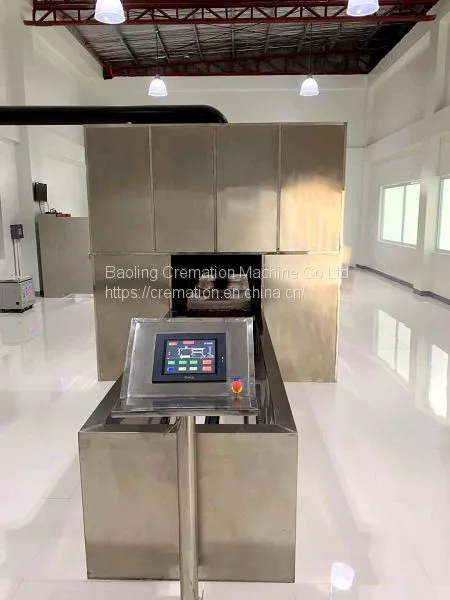
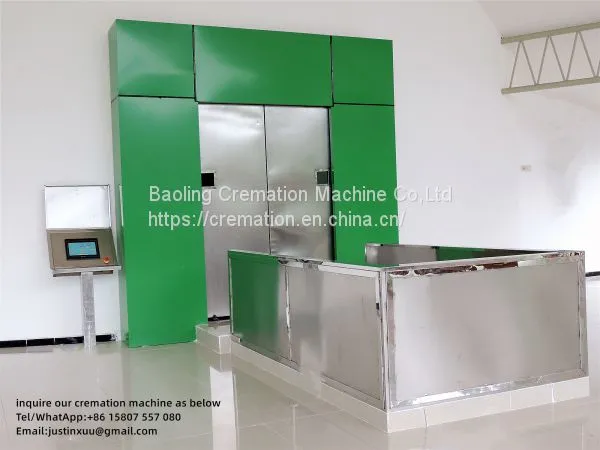
Advanced Human Cremation Machine
Technical Specification of Cremator
Overview
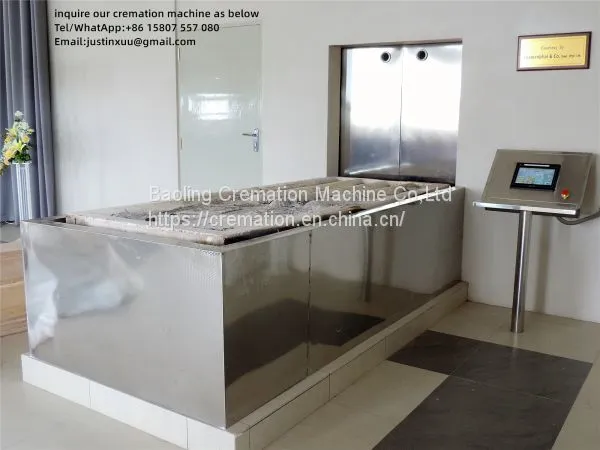
The cremator is a high-temperature closed incineration device specially developed for harmless disposal of human remains and burial accessories. The mainstream configuration adopts dual-chamber secondary combustion technology to eliminate toxic flue gas pollutants, complying with global environmental emission standards. Available fuel options include natural gas, liquefied petroleum gas and light diesel oil; regenerative gas-fired cremators are prioritized for energy conservation.
Main Structure & Material Technology
Furnace LiningConstructed from high-alumina heavy refractory bricks matched with multi-layer thermal insulation ceramic fiber. It delivers excellent thermal shock resistance, low heat dissipation loss and long service lifespan under continuous high-temperature working conditions.
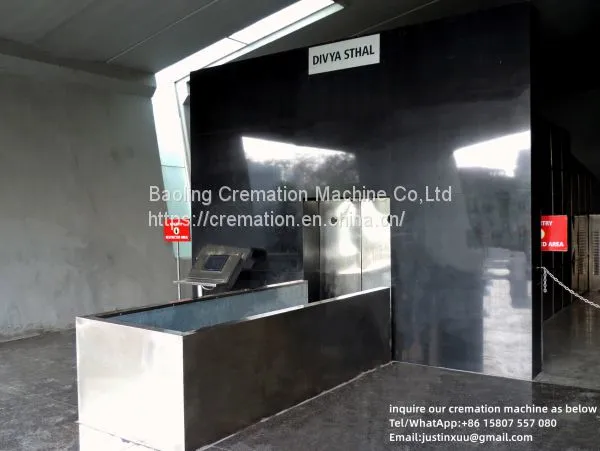
Loading SystemEquipped with a sealed feeding trolley with water cooling structure. The negative pressure sealing design stops cold air infiltration and flue gas leakage during charging and discharging procedures.
Combustion AssemblyInstalled with low-nitrogen automatic burners with complete safety interlocks: automatic electronic ignition, real-time flame detection and fuel cut-off protection upon flameout. Regenerative heat recovery recycles waste heat from exhaust gas to preheat combustion air, cutting fuel consumption significantly.
Core Temperature & Combustion Performance Indicators
Primary Chamber Operating Temperature: 850–980°CComplete carbonization and primary decomposition of organic matter from human bodies and wooden coffins.
Secondary Combustion Chamber Temperature: ≥1100°CSustained high-temperature residence time of no less than 2 seconds, which thoroughly decomposes dioxins, volatile organic compounds (VOCs) and other persistent toxic substances in flue gas.
Multi-Stage Flue Gas Treatment System
The integrated flue gas purification unit combines multiple purification processes in sequence: high-temperature cracking, cyclone dust removal, activated carbon adsorption and alkaline washing deacidification. It efficiently removes smoke dust, sulfur oxides, nitrogen oxides, hydrogen chloride and hazardous organic pollutants, meeting local and international incineration emission limit requirements.
Intelligent PLC Control System
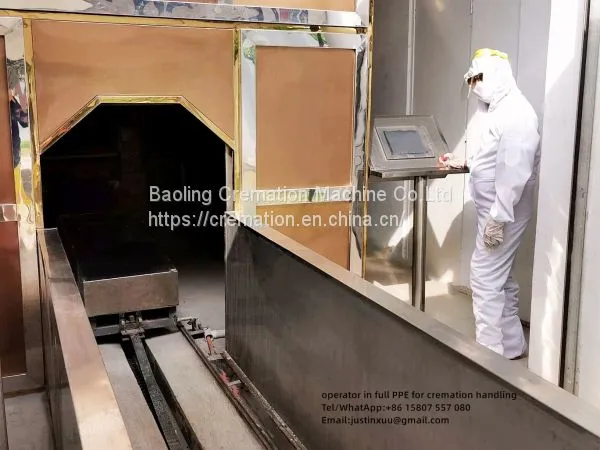
The cremator is controlled by a centralized PLC system paired with a touchscreen HMI (Human-Machine Interface). It supports fully automatic one-click cremation workflow, real-time dynamic temperature regulation, automatic fuel flow adjustment, continuous flue gas monitoring, self-diagnosis of equipment faults and audible/visual alarm prompts. All operational data, temperature curves and emission monitoring records are automatically stored and exportable for environmental supervision inspection.
Safety & Environmental Advantages
Whole-furnace negative pressure airtight operation to prevent odor escape and cross-contamination.
Interlock safety devices fitted on furnace door, feeding trolley and burners to avoid dangerous misoperation.
Muffler design for burners and exhaust fans, with operational noise controlled below 80 dB(A).
Fully enclosed ash collecting and discharging system to avoid secondary dust pollution during ash collection.
Application
Designed and manufactured for formal funeral parlors and cremation service facilities, suitable for incinerating human remains, wooden coffins, cotton, linen and other organic funeral supplies.
Professional Term List
cremator /primary combustion chamber /secondary combustion chamber /regenerative heat recovery /low-NOx burner /refractory brick /PLC touch control PLC /flue gas purification /dioxin decomposition /negative pressure sealing/
Recently Posted
-
Factory Acceptance Testing for Cremation Equipment: Inspection Protocols Before International Shipme
September 4, 2026Not long ago, a funeral company imported a cremation machine after a brief video call with the manufacturer. The quotati Read More
 -
Cremation Solutions for Rural and Remote Funeral Homes: Low-Infrastructure Equipment Options
September 4, 2026Not long ago, a funeral home in a rural district several hours from the nearest large city faced a dilemma. The community had deci Read More
 -
International Emission Standards for Cremation: EU Directive 2010/75/EU, US EPA, and China GB 13801
September 3, 2026Some time ago, a buyer in Latin America ordered a cremation furnace that met the emission limits of his own country'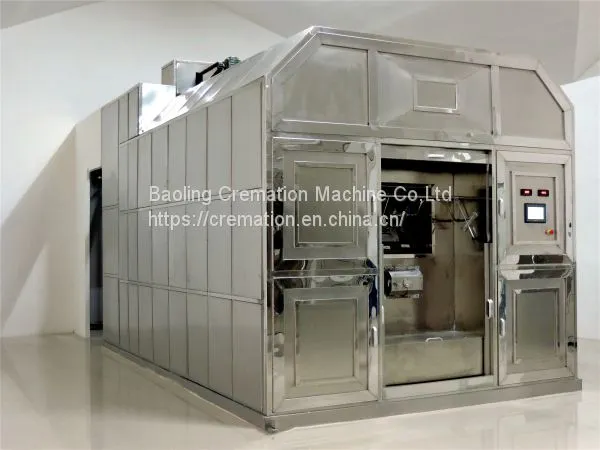 Read More
 -
Stainless Steel in Cremation Equipment Construction: Grade Selection for Durability and Corrosion Re
September 3, 2026A while back, an operator in a coastal city reported recurring pitting on the outer shell of a cremator that was just four years o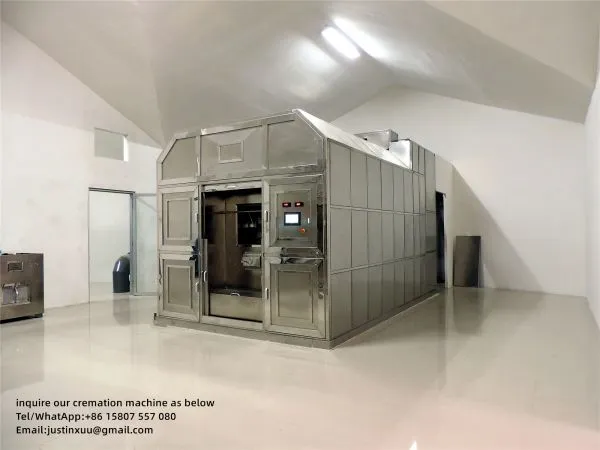 Read More

Contact Us
Recommended Products
-
 Human Cremation Machine Electric Crematorium Machine With 100kg/H Capacity and 18kw Power Crematory EquipmentNegotiableMOQ: 1 Piece
 -
220V/380V Full Automatic Human Crematorium Cremation Machine New Crematory Furnace 18kW Power PLCNegotiableMOQ: 1 Piece
-
New Full Automatic Human Crematory Incinerator Oven No Smoke Cremation Machine Crematory Equipment Crematorium MachineNegotiableMOQ: 1 Set
-
Electric Human Crematorium Machine Full Automatic Cremation Incinerator Indonesia Extra Large Coffin Cremation Electric Human Crematory MachineNegotiableMOQ: 1 Piece
-
Extra Large Coffin Cremation Machine New Technology Human Crematorium Furnace Full Automatic 100kg/h 5-Year WarrantyNegotiableMOQ: 1 Set
-
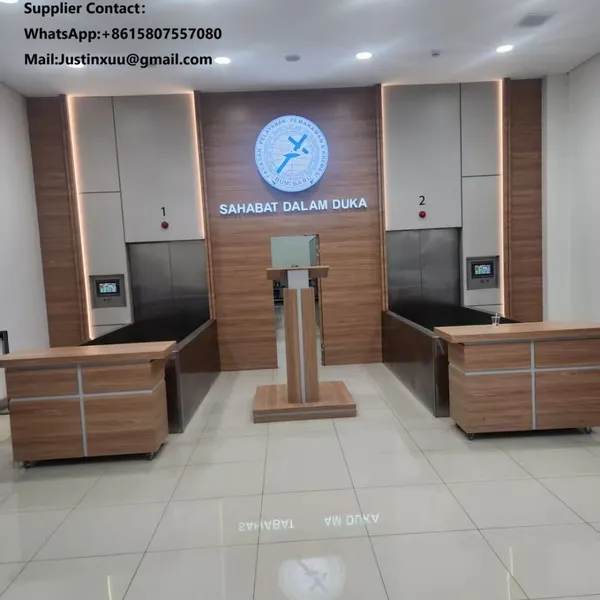
Human Cremation Machine for Sale Full Automatic Model USA TypeNegotiableMOQ: 1 Set
-
220V/380V Full Automatic Human Crematorium Cremation Machine Crematory Furnace 18kW Power PLC ControlNegotiableMOQ: 1 Set
-
Automatic Human Cremation Machine No Smell No Smoke Latest Human Cremation Technology 50/60HZ Diesel LPG CremationNegotiableMOQ: 1 Set
-
Automatic Human Crematorium Incinerator Crematory Furnace Human Cremation Machine for Wood Coffin CremationUS$ 66000MOQ: 1 Set
-
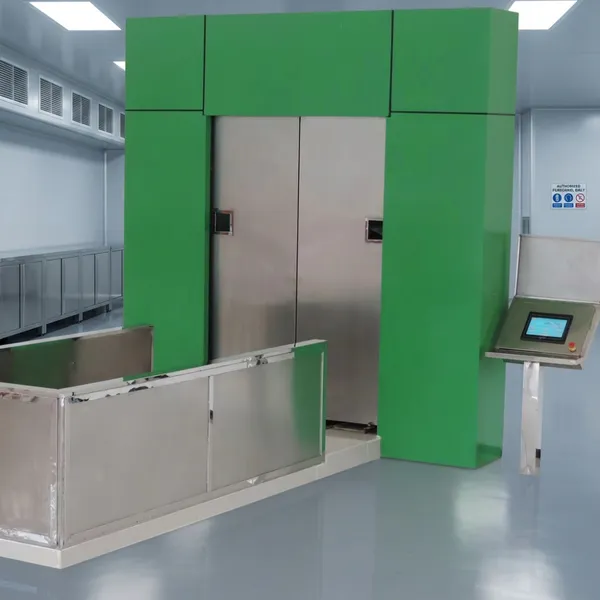
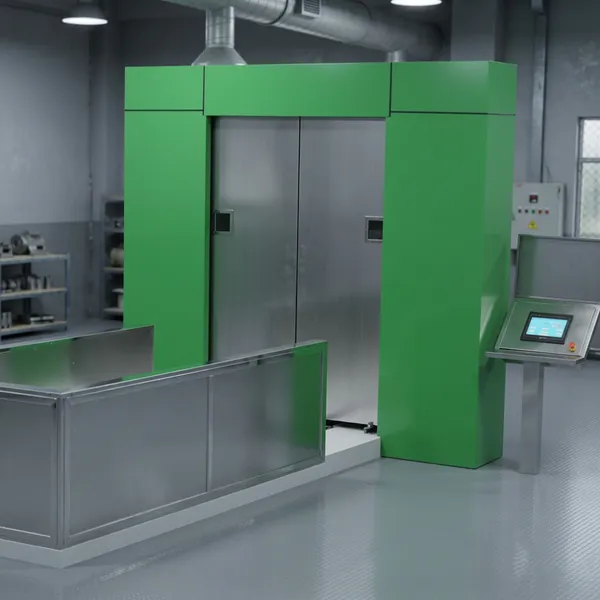
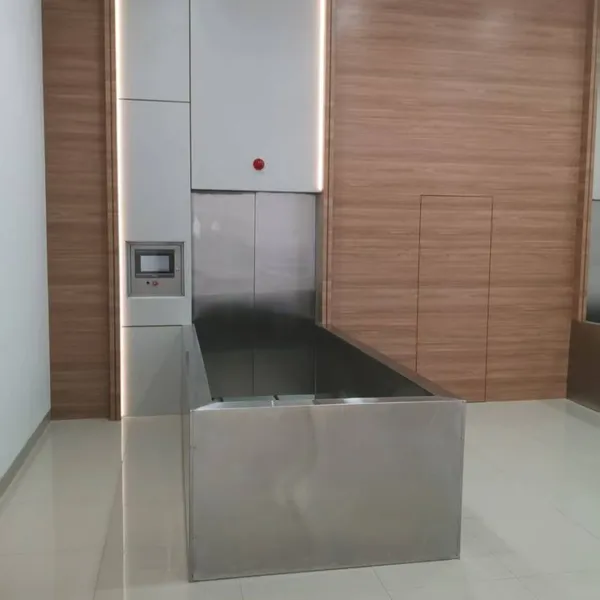
Electric Human Crematory Machine Cremation Machine No Smoke Crematorium Incinerator Cremation EquipmentUS$ 55000MOQ: 1 Combo
-
220V/380V Full Automatic Human Crematorium Cremation Machine New Crematory Furnace 18kW Power PLC Core Refractory Material 1NegotiableMOQ: 1 Set
-
Cremation Machine Burn Human Body Electrical Crematorium Machine Cremator Crematoria Europe StandardUS$ 5MOQ: 1 Set
-
Cremation System Cremation Oven Fired by Natural Gas no Smoke Human Crematorium Incinerator Crematory EquipmentNegotiableMOQ: 1 Piece
-
Cremation Equipment for Sale Eu Standard Environmental Friendly no Smoke Quick Burning Fast Short Time Cremation Machine No SmellUS$ 1 - 10MOQ: 1 Set
-
Crematorium Oven Machine Container Burn Human Body Mobile Furnace for Sale Crematory Incinerator Cremation Machine Crematory EquipmentUS$ 1 - 10MOQ: 1 Set
-
Container Crematory System Burn Human Death Body Crematoria Emergency Human Cremation Machine Crematorium IncineratorUS$ 1 - 10MOQ: 1 Set
-
Cremation Machine for Australia Market no Smell Human Crematory Machine Automatic Loading Conveyor Cremation EquipmentNegotiableMOQ: 1 Set
-
Global Top Supplier of Crematory Equipment Human Cremators Crematory Equipment Cremation Unit no Smell no SmokeNegotiableMOQ: 1 Kilogram
-
Cremation Machine Human Crematory Burner Equipment Furnace on Wheels Cremation Machine no Smoke USA StandardUS$ 1 - 10MOQ: 1 Piece
-
Automatic Cremation Machine Crematory Equipment for Human Crematorium Equipment Europe Standard EmissionUS$ 1 - 10MOQ: 1 Piece