
 Business License

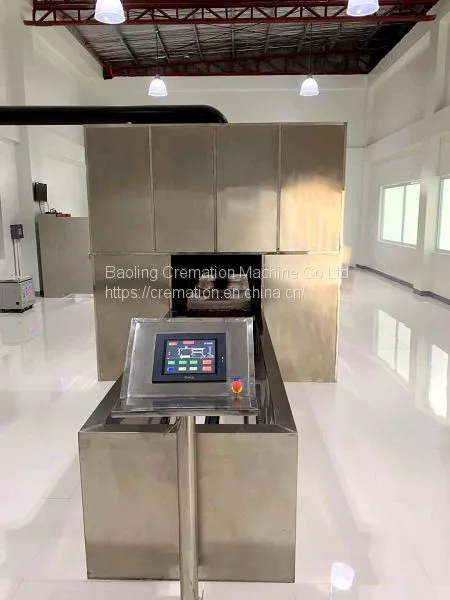
Working Principle of Fully Automatic Environmental Cremation Furnace
Working Principle of Fully Automatic Environmental Cremation Furnace
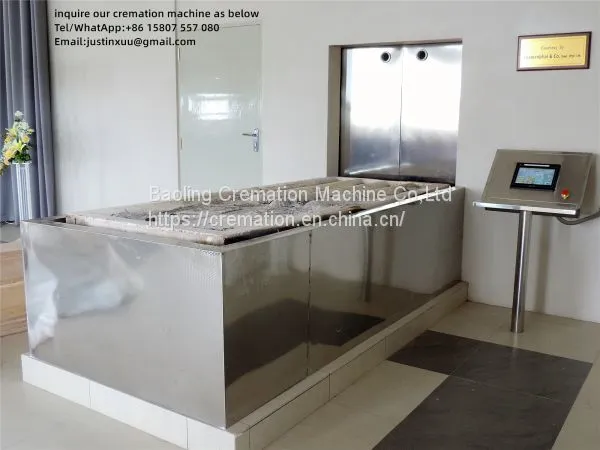
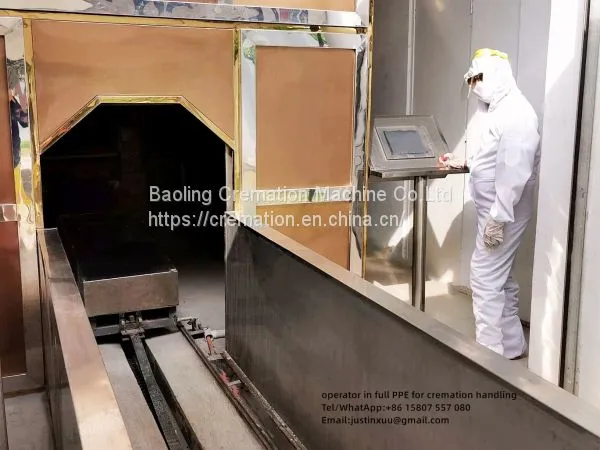
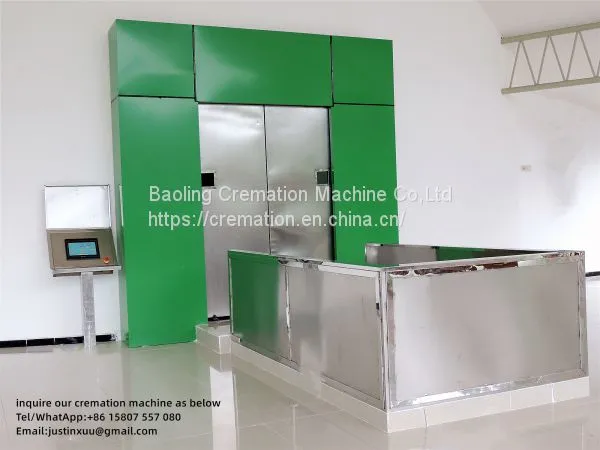
Modern funeral cremators adopt two-stage high-temperature combustion technology combined with intelligent temperature control and integrated waste gas purification. The whole cremation process is divided into material combustion, flue gas re-combustion, exhaust treatment and ash collection.
First, human remains are sent into the primary combustion chamber through the feeding door. Gas or diesel burners heat the cavity steadily to 700–900 degrees Celsius. Under an oxygen-rich high-temperature environment, organic tissues decompose rapidly through pyrolysis and oxidative combustion. Moisture turns into water vapor, fat and protein burn into carbon dioxide and water, leaving only inorganic bone residues.
Incomplete combustion inevitably produces smoke, tar, volatile odor molecules and harmful waste gas. These byproducts are not directly exhausted; instead, they flow into the secondary combustion chamber (afterburner). The secondary chamber runs continuously at temperatures higher than 850°C with sufficient oxygen supply. Long residence time of flue gas inside the chamber ensures full cracking and oxidation of all pollutants, eliminating black smoke and pungent odors fundamentally.
After secondary incineration, high-temperature flue gas enters the flue gas purification system in sequence. Processes including cooling, dust filtration, desulfurization and denitrification remove particulate matter, sulfur oxides and nitrogen oxides. Treated clean exhaust meets international and domestic environmental protection emission standards before being released through the chimney.
Once one cremation cycle completes and the furnace cools down moderately, bone ash naturally drops into the closed ash collection bin at the bottom of the equipment. Workers can take out bone ash conveniently without dust flying. The whole operation is controlled by PLC automatic temperature adjustment, which automatically adjusts burner power and air supply to maintain stable combustion and reduce energy consumption.
Recently Posted
-
Factory Acceptance Testing for Cremation Equipment: Inspection Protocols Before International Shipme
September 4, 2026Not long ago, a funeral company imported a cremation machine after a brief video call with the manufacturer. The quotati Read More
 -
Cremation Solutions for Rural and Remote Funeral Homes: Low-Infrastructure Equipment Options
September 4, 2026Not long ago, a funeral home in a rural district several hours from the nearest large city faced a dilemma. The community had deci Read More
 -
International Emission Standards for Cremation: EU Directive 2010/75/EU, US EPA, and China GB 13801
September 3, 2026Some time ago, a buyer in Latin America ordered a cremation furnace that met the emission limits of his own country'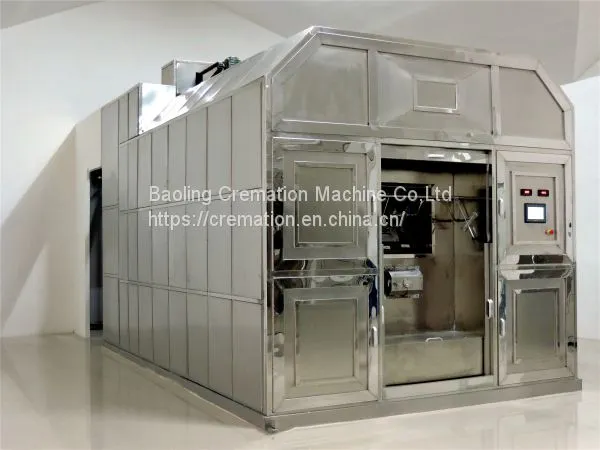 Read More
 -
Stainless Steel in Cremation Equipment Construction: Grade Selection for Durability and Corrosion Re
September 3, 2026A while back, an operator in a coastal city reported recurring pitting on the outer shell of a cremator that was just four years o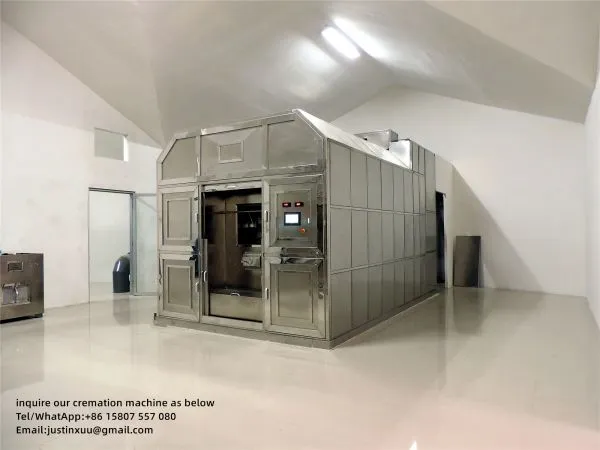 Read More

Contact Us
Recommended Products
-
 Human Cremation Machine Electric Crematorium Machine With 100kg/H Capacity and 18kw Power Crematory EquipmentNegotiableMOQ: 1 Piece
 -
220V/380V Full Automatic Human Crematorium Cremation Machine New Crematory Furnace 18kW Power PLCNegotiableMOQ: 1 Piece
-
New Full Automatic Human Crematory Incinerator Oven No Smoke Cremation Machine Crematory Equipment Crematorium MachineNegotiableMOQ: 1 Set
-
Electric Human Crematorium Machine Full Automatic Cremation Incinerator Indonesia Extra Large Coffin Cremation Electric Human Crematory MachineNegotiableMOQ: 1 Piece
-
Extra Large Coffin Cremation Machine New Technology Human Crematorium Furnace Full Automatic 100kg/h 5-Year WarrantyNegotiableMOQ: 1 Set
-
Human Cremation Machine for Sale Full Automatic Model USA TypeNegotiableMOQ: 1 Set
-
220V/380V Full Automatic Human Crematorium Cremation Machine Crematory Furnace 18kW Power PLC ControlNegotiableMOQ: 1 Set
-
Automatic Human Cremation Machine No Smell No Smoke Latest Human Cremation Technology 50/60HZ Diesel LPG CremationNegotiableMOQ: 1 Set
-
Automatic Human Crematorium Incinerator Crematory Furnace Human Cremation Machine for Wood Coffin CremationUS$ 66000MOQ: 1 Set
-
Electric Human Crematory Machine Cremation Machine No Smoke Crematorium Incinerator Cremation EquipmentUS$ 55000MOQ: 1 Combo
-
220V/380V Full Automatic Human Crematorium Cremation Machine New Crematory Furnace 18kW Power PLC Core Refractory Material 1NegotiableMOQ: 1 Set
-
Cremation Machine Burn Human Body Electrical Crematorium Machine Cremator Crematoria Europe StandardUS$ 5MOQ: 1 Set
-
Cremation System Cremation Oven Fired by Natural Gas no Smoke Human Crematorium Incinerator Crematory EquipmentNegotiableMOQ: 1 Piece
-
Cremation Equipment for Sale Eu Standard Environmental Friendly no Smoke Quick Burning Fast Short Time Cremation Machine No SmellUS$ 1 - 10MOQ: 1 Set
-
Crematorium Oven Machine Container Burn Human Body Mobile Furnace for Sale Crematory Incinerator Cremation Machine Crematory EquipmentUS$ 1 - 10MOQ: 1 Set
-
Container Crematory System Burn Human Death Body Crematoria Emergency Human Cremation Machine Crematorium IncineratorUS$ 1 - 10MOQ: 1 Set
-
Cremation Machine for Australia Market no Smell Human Crematory Machine Automatic Loading Conveyor Cremation EquipmentNegotiableMOQ: 1 Set
-
Global Top Supplier of Crematory Equipment Human Cremators Crematory Equipment Cremation Unit no Smell no SmokeNegotiableMOQ: 1 Kilogram
-
Cremation Machine Human Crematory Burner Equipment Furnace on Wheels Cremation Machine no Smoke USA StandardUS$ 1 - 10MOQ: 1 Piece
-
Automatic Cremation Machine Crematory Equipment for Human Crematorium Equipment Europe Standard EmissionUS$ 1 - 10MOQ: 1 Piece